Questions? We have answers
Personalization
Where do I type the name or date I want?
Most personalized listings have a Personalization box just above the Add to Cart button. Type it exactly the way you want it to read. The shop copies it letter for letter, capitals and spacing included, so GRACE and Grace come out differently. If a listing doesn't show that box, message the shop before you pay, and they can often set up a custom listing for you.
How many letters can I fit on one line?
On most items, about 8 characters a line reads best, and most shops cap a single line at 12. Longer names still fit; the shop makes the letters smaller or splits the name over two lines.
Can I see a proof before it's personalized?
No. The shop starts on your order as soon as payment clears, so there's no separate proof step: what you type in the Personalization box is exactly what appears on your item. If the listing shows a preview, use it, and read every letter, capital, and date before you pay. If you spot a mistake after you pay, message us right away.
I made a typo. How long do I have to fix it?
Message us the moment you spot it. Shops often start on an order within hours of payment, so a spelling change is free as long as your details haven't been added yet. Once they have, the fix takes a brand-new item, so we replace it at 50% off plus actual shipping. That isn't a penalty; it simply covers the new item.
What if the spelling on my item is wrong?
If your item shows something different from what you typed at checkout, that's on us, and we cover all of it: you choose a free replacement with shipping paid, or a full refund. You don't need to mail the wrong one back. The same goes if it arrives damaged or not as described. Send one photo of the item next to your order confirmation within 30 days of delivery; we reply within 1 business day and resolve most issues within 3 business days. If what arrived matches what you typed, we can't refund it, because an item with one person's name on it can't be sold to anyone else. That's the honest reason personalized items are final sale.
Can I pick the font for my name?
Yes. Each listing shows the fonts that shop offers, usually a script, a block, and a serif. A font from a screenshot usually can't be matched, though: the shop starts on your order as soon as it's paid, and some fonts aren't licensed for that use. Ask the shop before you order, and they'll tell you honestly whether it can be done.
Can you add an emoji or a heart symbol?
Simple shapes like hearts, stars, and tiny flowers, yes, and they look lovely next to a name. Full-color emoji can work too, but they come out in the shop's own artwork style, not the one on your phone.
Can I use accented and special letters?
Accented Latin letters, the kind used in Spanish, French, German, and Scandinavian names, work in almost every font on our listings. Non-Latin scripts such as Arabic, Hebrew, Cyrillic, Thai, or Chinese depend on the shop, so send the exact text first, and we'll confirm within 1 business day. Paste the real spelling into the Personalization box instead of describing it; that's the surest way to get every letter right.
How long can my gift message be?
The personalization box holds up to 1,024 characters, but what physically fits on the item is a lot less: a few short lines on an ornament, about 6 lines on a poster. The longer the message, the smaller each letter has to be to fit, so a short message usually reads best.
Can I send my own handwriting or a drawing?
Please do, on any listing with a photo upload; those turn into some of our favorite gifts. A child's handwriting or a grandparent's signature works best in dark ink on plain white paper, photographed in daylight, at least 1,000 pixels wide. There's usually no extra charge; if there is, the price shows on the listing before you add it to your cart.
Do personalized orders take longer to arrive?
No. Personalized pieces ship within 1–3 business days, just like everything else, with no separate proof step. Aiming for a birthday or a wedding? Message us the date rather than typing it in the Personalization box, where it would end up on the item itself, and we'll tell you honestly whether it can arrive in time.
Can I cancel a personalized order?
Yes. Email us within 48 hours of payment, and you get a full refund, no questions asked. After that, we still cancel for a full refund if the shop hasn't started your order, or if your order can't ship within the time shown on the listing. In the EU and the UK, the 14-day right of withdrawal, counted from delivery, covers items without personalization only. Once it ships, a personalized item can't be returned for a change of mind, but you're covered if it's faulty, damaged, late, lost, or different from what you typed.
Blankets, bedding & décor
Will my blanket be one of a kind?
If you personalize it, yes. The shop adds your photo, name, or words before it ships, so nobody else will have one quite like it, and it's on its way within 1–3 business days.
What are the blankets made of?
It depends on the style, and the listing names it: fleece, sherpa, and quilt blankets are the main types. If the fabric matters to you, say for someone with sensitive skin, read the material line on the listing, or message the shop and ask what fabric that design comes on.
What size blanket should I choose?
Blankets come in named sizes, such as Throw, Twin, Queen, and King. A throw suits the couch; for a bed, pick the size that matches the bed. The photos show the design, not the scale, so if you need exact measurements for a size, message the shop before you order and ask for them.
Are the listing photos the real product?
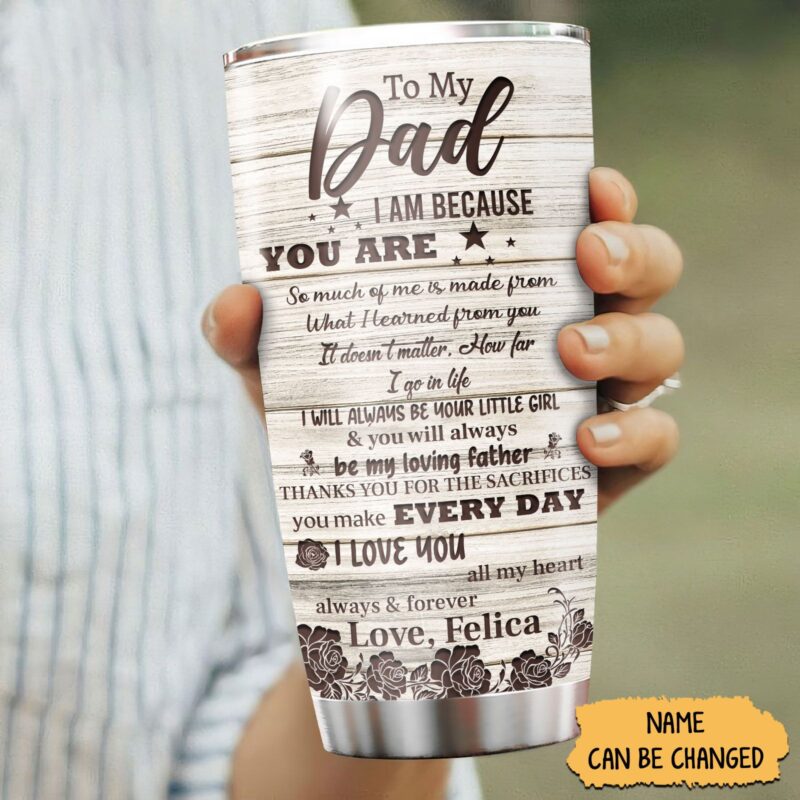
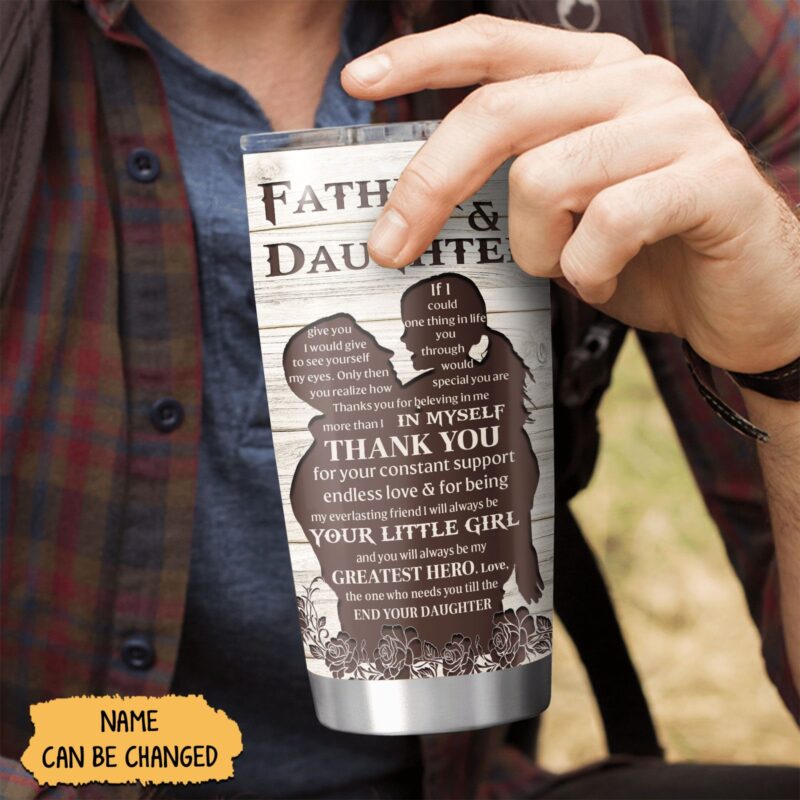
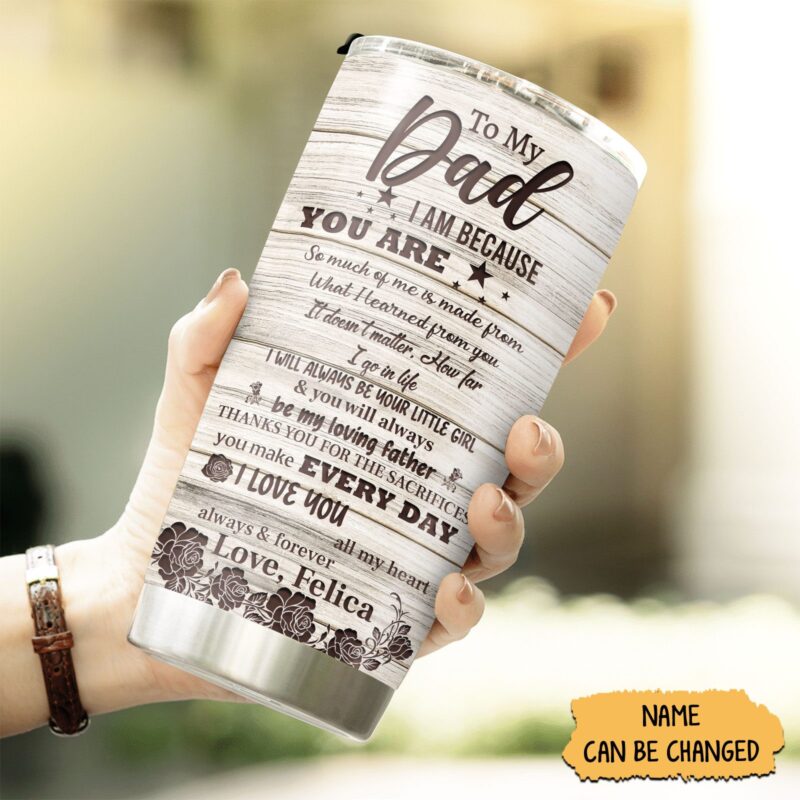
They're previews: they show the design, where it sits, and roughly how it looks on the product, with sample names or photos in place of yours. Your item will carry your own text or photo. Props in the photos, such as pillows, furniture, or other products, aren't included unless the listing says they are.
Will the colors match the photos exactly?
Close, but we can't promise an exact match. A screen lights colors from behind and fabric can't, so bright colors can look a little softer in person, and a textured surface like fleece or sherpa softens fine detail. Every screen is calibrated differently, too. If an exact shade matters, say for a wedding or a team color, message the shop before you order.
What comes in a bedding set?
The listing describes what the set includes. Anything shown in the photos but not named in the description, such as extra pillows, an insert, or sheets, is styling only. If the listing doesn't mention a comforter or duvet insert, it isn't in the box. Not sure? Message the shop before you order.
Will a duvet cover fit my comforter?
Pick the same size name as your comforter or insert: Twin, Full, Queen, or King. Bed sizes vary between countries and brands, so if the fit matters, measure your comforter flat, edge to edge, and message the shop for the cover's measurements before you order.
Is a blanket safe to use in a baby's crib?
Please don't put any blanket in a crib with a baby under 12 months. US safe-sleep guidance from the American Academy of Pediatrics and the CPSC says to keep soft bedding, blankets, and pillows out of an infant's sleep space. A personalized baby blanket makes a lovely keepsake or nursery piece, but it isn't an infant sleep product.
What are the ornaments made of?
The listing names the material, and most are ceramic. The design and any name or date sit flat on the surface; they aren't engraved or hand-painted. Handle a ceramic ornament like any other breakable decoration, and store it wrapped between seasons.
Can I get the same design on a different product?
Only where there's a listing for it. Some designs come on more than one product, say a blanket and an ornament, and the artwork is adjusted to fit each product. Search the design name, or open the shop that sells it and browse its other listings. If you can't find the pairing you want, message the shop and ask whether it exists.
Can I order a blanket without any personalization?
Yes. Most listings are ready-made designs with nothing to fill in, and on a personalized listing the product page shows which fields you need to complete. A design without personalization can be returned unused within 30 days of delivery if you change your mind (email us first with your order number, then send it to our return address on the Returns & Refunds page; you pay return postage); a personalized one can't.
Do the blankets come folded? Will there be creases?
Yes, they're folded to ship, so expect some fold lines when you open the package. They relax on their own within a day or two of use, or faster after a cold wash and a low tumble dry. Please don't iron directly over the design.
Photos & image quality
Which photos work best?
The original photo, straight from the phone or camera that took it, at least 1,000 pixels on the short side and ideally much more. Daylight beats flash, the subject should be in focus and large in the frame, and faces shouldn't sit right at the edge. Dark, blurry, or heavily filtered photos come out darker and softer on your piece than they look on a bright phone screen.
Can I use a photo from Facebook or Instagram?
You can, but it usually won't look as good. Social apps shrink and compress photos, so a picture that looks sharp on a phone can come out soft or blocky on a blanket. Find the original in your camera roll, or ask whoever took it to send the full-size file. Screenshots have the same problem, so please avoid them.
Will you retouch or fix my photo?
No. The shop starts on your order as soon as it's paid, so your photo is used exactly as you upload it: it isn't brightened, cut out from its background, or fixed for red-eye unless the listing says that service is included. Crop, straighten, and brighten it on your phone first, then upload the edited version.
Can I upload more than one photo?
Only on listings built for it. A design with room for several photos has a separate upload field for each one. If a listing has one upload field, it takes one photo. To put several people or pets in one design, look for a listing that offers multiple subjects.
How will my photo be cropped?
To fit the photo space in the design, which is usually a different shape from your photo. Keep the subject near the center with some space around it, so nothing important sits at the edge where it could be trimmed. If the listing shows a preview of your upload, check the crop there before you add it to your cart.
What order do the initials go in on a monogram?
It depends on the style, and this is where most orders go wrong. In the traditional script monogram the surname initial sits in the center and larger, reading first, last, middle: Emily Rose Carter becomes E C R. In a block monogram where all three letters are the same size, they read straight across in name order instead: E R C. For a married couple it's usually the wife's first initial, the shared surname in the center, then the husband's; both that and the older reverse order are correct, so type the letters in the exact order you want them, because they go on exactly as you type them.
Is the design on one side or both?
The listing and its photos show which side carries the design. If the second side has one too, the listing says so and shows it. If you're not sure, message the shop before you order.
Is there a limit on colors in my photo or design?
No. Your piece shows full-color photos and artwork, gradients included, and there's no per-color charge or limit. What changes the result is the surface: fine detail and pale tints show best on smooth fabric and ceramic, and a textured surface like fleece or sherpa softens them slightly.
How small can the text be?
It depends on the product and the surface. On smooth surfaces like a tumbler or a ceramic ornament, small block letters stay crisp; on textured fabric like fleece, sherpa, or a rug, fine lines and thin script soften, so very small or delicate lettering can be hard to read. That's why some personalization boxes limit how many characters you can type.
Tees & wall art
How long will the design on my tee last?
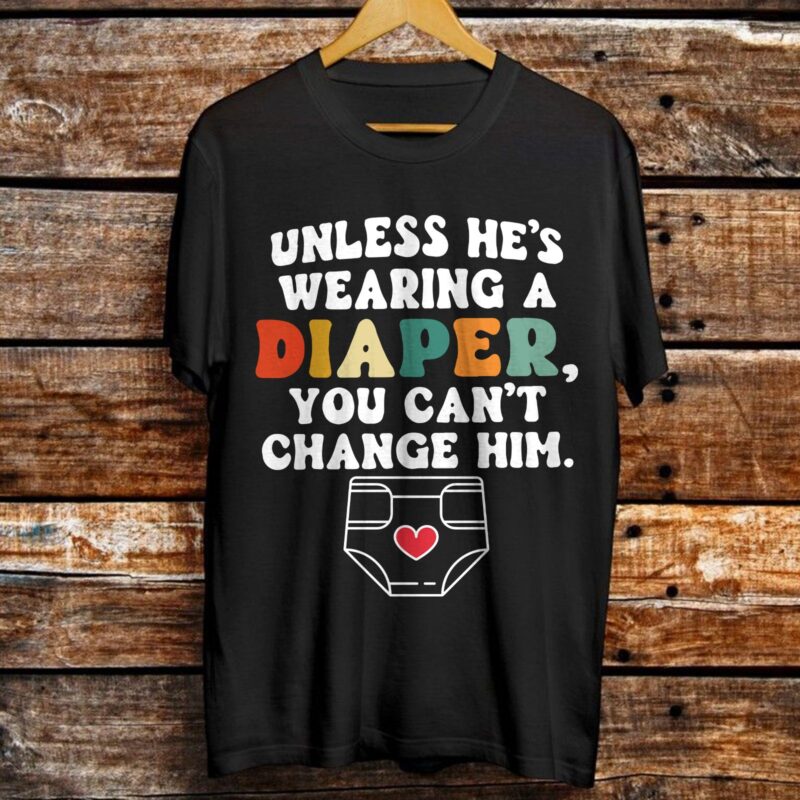
With the right care, the design stays bright for dozens of washes: wash it inside out in cold water, skip fabric softener, and hang it to dry or tumble it on low. Like anything you love and wear often, it softens and lightens a little over time, and that's normal wear. If the design cracks, peels, or lifts under normal care, tell us within 30 days of delivery and we'll replace it free or refund you in full. That's a quality issue, not a change of mind, so personalized pieces are covered too.
There's a faint patch around the design on my new tee.
That can happen on a brand-new tee, most often a dark one, as a faint rectangle or a slightly shinier halo around the design. It normally rinses out in the first cold wash, two at most. If it's still there after that, something genuinely went wrong, so message the shop.
What resolution does my image need to be?
Aim for 300 DPI at the finished size: a design 12 inches wide on the chest needs about 3,600 pixels across, and a 12x12 square needs 3,600 x 3,600. Most shops can work down to roughly 150 DPI, but it'll look soft up close, and a careful shop will flag it before starting your order. Photos straight off a modern phone (4,000+ px) are plenty; screenshots and images saved off social media usually aren't. Send the largest original file you have, not a resized copy.
Can you use a character or logo I send you?
Not if it's copyrighted or trademarked: Disney and Marvel characters, sports team logos, band artwork, or brand marks. That holds even when you send the file yourself, and there's no "change it by 30%" rule; that's a myth. What shops can use: your own photos, your own artwork, your kid's drawing, your pet, your handwriting, your words. For another artist's work, the shop needs that artist's written permission before it can be used.
What paper or canvas is the wall art on?
The listing names the paper or canvas and its finish; if the exact stock matters, message the shop before you order.
Does wall art come framed? What frame size fits?
Most wall art here ships unframed, which keeps shipping affordable and lets you choose a frame that suits your walls. A few shops offer framing, and the listing will say so. Sizes are the standard ready-made ones: 5x7, 8x10, 11x14, and 16x20 inches, so an off-the-shelf frame fits without custom cutting. The listed size is the paper size and usually includes a 0.5–1 inch white border for matting. Want it borderless? Message the shop before you order; many shops can do it if you ask first.
Sizing
Do you use US or UK sizes on your size charts?
US sizes. UK women's numbers run 4 higher than US: a UK 12 is a US 8, a UK 16 is a US 12. When the letters and the numbers disagree, trust the pit-to-pit measurement and compare it to a shirt you already own.
How do I measure myself for the right size?
Easiest route: don't measure yourself, measure a shirt you already love. Lay it flat, run the tape armpit to armpit in a straight line, and match that number to the chest-width column, rounding to the nearest 1/4 inch.
Should I size down in a unisex tee?
If you normally wear a women's cut, yes: one size down is the usual call. On a medium, unisex shoulders run about 17–18 inches across versus 14–15 on a women's fit, so the same letter sits wider and longer on you. Going down two only works if the chest measurement still clears your bust by an inch or two, so check that measurement first. And if you like it roomy and front-tucked, stay at your usual size. That's a style choice, not a mistake.
I'm between two sizes—which should I pick?
Size up in most cases. Fabric relaxes a little at the seams but it never grows back, and a tee an inch too big reads as relaxed while an inch too small just reads as wrong. Still unsure? Send us your pit-to-pit and we'll tell you which way we'd go.
Will my shirt shrink after the first wash?
A little, yes. Cotton tees here are usually preshrunk but can still give up roughly 2–5% (about half an inch to an inch and a half of body length) on a first hot wash, and heavyweight garment-dyed styles can run 5–10%. Wash cold at 86°F (30°C) or below, then tumble low or hang dry, and you keep nearly all of it. If you're already on the line between two sizes, take the larger one so it still fits after a few washes.
Do blankets and bedding shrink?
A little, if they're washed hot or dried on high heat, and cotton shrinks more than polyester. Wash cold on a gentle cycle, then tumble dry low or line dry, and they keep their size. There's no need to size up to allow for shrinkage.
I'm buying a gift and don't know their size.
You're in good company. Two things that actually work: ask for the pit-to-pit of a shirt they wear constantly, which lands a lot softer than asking their size, or pick a relaxed style where two inches either way still looks deliberate. Blankets, tumblers, and ornaments skip the problem entirely.
How do kids' sizes work—by age or height?
Go by height and chest, not the birthday. As a guide, 3T runs about 36–38.5 inches tall and 30–34 lbs, and plenty of two- and four-year-olds land there. US T-sizes are cut roomier through the seat for diapers, so a plain 4 is slimmer and a touch longer than a 4T, and UK 3–4 years is the closest match to a US 4T. Sizing up one usually buys another 6–9 months of wear.
Can I change or exchange the size?
Yes, if you catch it early. Shops often start on an order within hours of payment, so message us as soon as you know; if the shop hasn't started your order yet, we swap the size at no charge. Once it has, the size can't be changed. An item without personalization can then be returned unused within 30 days of delivery (email us first with your order number, then send it to our return address on the Returns & Refunds page; you pay return postage), and you can order the size you need. A personalized piece can't go back for a change of mind, but ask us about a discounted replacement in the right size. If it arrives faulty, damaged, or in a size other than the one you ordered, that's on us: tell us within 30 days of delivery, and you choose a free replacement or a full refund, with nothing to send back. If it was a gift, the recipient can message the shop directly to arrange it, but a refund has to go back to your original payment method, so those run through you.
Can I get a custom size made to measure?
No. Tees and sweatshirts come in the standard sizes the shop offers on the listing.
Does the design change how the shirt fits?
No. The design doesn't change the measurements of the shirt. A large design can feel slightly smoother or firmer than the fabric around it at first, and it softens with washing. Turn it inside out, wash cold, and tumble low or hang dry, and both the design and the fit last longer.
Shipping & delivery
What's the difference between processing and shipping time?
Processing time is how long the shop needs to get your order ready to ship: 1–3 business days. Shipping time is how long the carrier has it after it leaves the shop's warehouse or workshop. For example, 1–3 business days of processing plus 9–11 business days of Standard shipping to a US address comes to 10–14 business days in total. Every listing shows the two numbers separately, and your order confirmation combines them into one estimated delivery window.
How long before my order ships?
Every order ships within 1–3 business days: the shop prepares your order, adds any personalization, and hands it to the carrier. How long it spends in the mail depends on the delivery option you choose at checkout, and Express or Priority shortens the time in transit. The Shipping & Delivery page lists every option by region, and the product page shows your estimated arrival dates before you order. If an order runs behind, you'll see an updated date on your order page and can message us from there.
When do I get a tracking number?
We email your tracking number as soon as your order ships. It may read "label created" for a day or two before the carrier's first scan; that's normal. Your tracking also stays under Your Orders in your account.
My tracking hasn't updated in days. Is it lost?
Domestic packages usually scan every day or two, but going quiet for 3–5 days between sorting facilities is common, especially over a weekend. International packages often stop updating once they leave the origin country and only reappear when the destination country's postal service picks them up, which can mean 1–2 weeks of silence. If there's no movement for a full week (three weeks for international orders), email us, and we'll open a trace with the carrier.
How long does shipping to the UK take?
Door to door, processing included: Standard 12–18 business days, Express 10–14, and Priority 7–10. If your order ships from outside the UK, customs clearance can add a few days that no carrier will guarantee. Those delays are outside our control, but if they make your order late, Ettee Purchase Protection still covers you.
Do you ship to the EU, Canada, and Australia?
Yes. We ship to 37 countries, and you can see the full list at checkout. With Standard delivery, door to door and processing included, Canada takes 12–18 business days, the EU 12–18, and Australia 12–18. Shipping is calculated at checkout, so you see it before you pay. Import taxes and customs duties aren't included; the customs question below explains how they work.
Will I pay customs or import fees?
Prices on Ettee don't include import taxes or customs duties, and we don't collect them at checkout. If your item ships from another country, import duties or taxes may apply, and the carrier may collect them before delivery, sometimes with a handling fee. Every listing shows where it ships from. We can't predict, cover, or refund government charges, and we won't mark a package as a gift or under-declare its value, because that's against the law.
Is UK VAT included in the price I pay?
No. UK VAT isn't added at checkout, so your order total is all you pay us. If your order ships from outside the UK, Royal Mail or the courier may collect import VAT, any duty, and a handling fee before delivery. The amount depends on what's inside and the order value, and we can't predict or refund it.
Tracking says delivered but nothing arrived. Help?
Give it 24–48 hours first. Carriers scan "delivered" early more often than you'd think, and packages show up with a neighbor, in a mailroom, or behind a gate. If it's still missing, ask your local post office to check the GPS scan on your tracking number, then message us within 30 days of that delivery scan. We'll open a trace with the carrier, and if it's truly gone, you choose a free replacement or a full refund.
Can I still get it in time for Christmas?
Our Shipping Deadlines page lists the last day to order for Christmas with standard, express, and international shipping, and those dates already include the time the shop needs to prepare your order. The dates move every year, so check them before you cut it close: December volume adds 2–5 days to normal carrier transit, and we'd rather give you an honest date than a hopeful one. See the Shipping Deadlines page
I entered the wrong address. Can you fix it?
Message us right away. If the shipping label hasn't been created yet, we can correct the address at no charge. Once a label exists, we usually cancel and ask you to reorder with the right address, because shipping anywhere other than the order address voids delivery protection for both of us. If it's already on its way, the carrier may be able to reroute it; email us, and we'll try. A package that has already left its origin country usually can't be recalled.
Returns & problems
Why can't I return a personalized item?
Once a name is on it, that gift belongs to one person, so personalized items can't be returned for a change of mind. One Ettee policy covers every shop on the site. Final sale still doesn't apply if the item shows up faulty, damaged, late, or different from what you ordered. Those are on us, every time.
What items can I actually return?
Anything that arrives damaged, faulty, late (more than 7 days after the latest estimated delivery date shown at checkout), or different from what you ordered. Tell us within 30 days of delivery, and you choose a free replacement or a full refund. None of these has to be sent back. Changed your mind? Items without personalization can be returned unused within 30 days of delivery: email us first with your order number, post it to our US return address (on the Returns & Refunds page), you pay return postage, and we refund the item within 1–2 business days of receiving it. Personalized items can't be returned for a change of mind.
My order arrived damaged. What now?
Message us within 30 days of delivery with three or four photos: the item, the damage up close, and the outer box or mailer. You don't need to ship it back, since we file the carrier claim on our end, but hang onto the packaging for two weeks in case the carrier asks to inspect it. We reply within 1 business day and resolve most issues within 3 business days, with a free replacement or a full refund, whichever you'd rather have.
The design cracked after I washed the shirt.
A well-made design should hold up for dozens of washes with cold water and no hot dryer. If the design cracks, peels, or lifts under normal care, tell us within 30 days of delivery and we'll replace it free or refund you in full. A photo is all we need, with nothing to send back. What we can't cover is heat damage, so wash inside out at 86°F/30°C or cooler and hang the shirt to dry.
My package hasn't moved in two weeks.
Once your order is more than 7 days past the latest estimated delivery date shown at checkout, we treat it as lost. Message us within 30 days of that latest estimated date, and you choose a full refund or a free replacement, with nothing to send back. Carrier, customs, and weather delays are outside our control, but if they make your order late, Ettee Purchase Protection still covers you.
Do I get a refund or a replacement?
You pick, not us. A replacement ships within 1–3 business days, plus delivery time. A refund goes back to your original payment method within 1–2 business days of us approving the claim. Your bank or payment method then adds its own time, usually 5–10 business days for a card and the same day for a PayPal balance, so most refunds reach you within 14 days. That part runs on their clock rather than ours.
How long do I have to report a problem?
Thirty days from delivery, shipping damage included, though the sooner you tell us about damage, the quicker the carrier claim goes. Past 30 days, we'll still take an honest look at real defects, like a seam that gave way or a design that failed early. What we can't do is treat normal wear as a defect.
Do I have to mail the item back for a refund?
Not for damage, defects, or anything we got wrong: clear photos are enough and the item stays with you. Only a change-of-mind return is mailed back, at your cost, to our return address on the Returns & Refunds page; email us with your order number first.
My blanket snagged or pilled. Is that covered?
Snags and pilling come from friction, like a pet's claws, a zipper, or a rough couch, so they're normal wear rather than a defect. A fabric shaver clears pilling in a few minutes, and a pulled strand can be eased back into place; don't cut it. What is covered: a design that came out flawed or that peels or fades badly under normal care, or a seam that opens. Send a photo within 30 days of delivery, and you choose a free replacement or a full refund, with nothing to send back.
Gifting
Can you gift wrap it before you ship?
There's no paid wrapping option at checkout, because wrapping isn't an extra here. Pieces go out wrapped in tissue or kraft paper and tied, ready to hand over as they are. If you'd like a particular color, a ribbon, or a few words on a card, message the shop before you order; many shops are happy to help. Every reply lands in Messages in your account. Our gift wrapping page shows what arrives in the box.
Can you add a gift note from me?
Yes. Type your message in the Gift Message box at checkout (it appears when you choose "Ship to a friend"), up to about 200 characters, and it goes in the box on a card. It's copied exactly as you type it, so check names and spelling before you place the order.
Can you leave the price out of the package?
Yes, and it costs nothing. Prices never appear on anything inside the package. If you want to be certain, message the shop before your order ships. Order and tracking emails come to you, never to the person receiving it.
Can you ship it straight to the recipient?
Of course. Put their address in the shipping field and yours in billing; the tracking emails still come to you as soon as it ships, so you know the moment it lands. Check the apartment or unit number twice; one wrong digit is all it takes for a gift to miss its day, and once the carrier has the package, rerouting is rarely possible. For an office or dorm, add the company or hall name so the mailroom knows where to take it.
Do you have gift cards if I can't decide?
Not yet, and we'd rather say so than sell you a code that doesn't exist. Three things do work today. The Gift Finder narrows everything on Ettee down by who it's for and what you want to spend. You can send the package straight to the recipient with a note inside, so it arrives as a gift and not as a delivery. And many pieces can carry their name, which is the part people keep. Our gift cards page walks through each one.
I need it for a birthday next week. Possible?
Sometimes. It depends on the shop and the item. Orders ship within 1–3 business days, and with Priority shipping most US orders arrive within 5–7 business days in total. Message the shop with your date before you order, and you'll get a straight yes or no instead of a maybe.
Can you guarantee it arrives on a set date?
We can promise when it leaves the shop, but not the day it arrives: only an express, tracked service carries a delivery-date guarantee from the carrier, and standard mail never does. What we do stand behind is our estimate. If your order arrives more than 7 days after the latest estimated delivery date shown at checkout, Ettee Purchase Protection covers it: tell us within 30 days of delivery and choose a full refund or a free replacement, with nothing to send back. Order so it should land 3–5 business days before the occasion, and give it a full week in December or for a wedding. If it's cutting close, message the shop before you order; an honest answer now beats a gift that misses the big day.
Can I order 8 matching bridesmaid gifts?
Yes, and a matching set with each name on it makes a lovely thank-you. Each piece ships within 1–3 business days, so a set takes no longer than a single piece. There's no separate proof step, so check every name before you pay. Message the shop with your quantity, colors, and wedding date first. Personalized items can't be returned for a change of mind, though anything faulty or different from what you typed is covered when you tell us within 30 days of delivery.
Can I send it as a surprise, with no name?
We can keep your name off the card and out of the box, and prices never appear on anything inside the package. What we can't hide is the sender address on the shipping label, because carriers require one. Write the card however you like, "from your secret admirer" included, and it's copied word for word, up to about 200 characters.
Will everything arrive in one box?
Not always, and it's worth knowing before you plan the unwrapping. Items from two shops arrive as two packages, each with its own tracking, and they may ship from different countries. Even inside one order, different products can ship separately, often 2–4 days apart. If it all has to land at once, have everything sent to you and pass it on in one box.
Shops on Ettee
Who exactly am I buying from on Ettee?
An independent shop. Every shop on Ettee is a retail business with its own team and its own stock, kept at its own warehouse or workshop in the US, the UK, Germany, or elsewhere in the EU. We review and verify every shop and its listings before it can sell here, and we keep checking while it does. If a shop ever doesn't look right to you, flag it for us, and we'll review the shop.
What does Ettee check before a shop can sell?
We review the business and verify who runs it, where it ships from, and how to reach it. We review its listings, too, and we keep checking shops and listings for as long as they sell. You pay Ettee at checkout, so your card statement shows ETTEE, and every order is backed by Ettee Purchase Protection.
Where are the shops, and where do orders ship from?
Shops on Ettee are based in the US, the UK, Germany, or elsewhere in the EU, and orders ship from each shop's own warehouse or workshop. Every listing shows its Ships from country. If an item ships from another country, the carrier may collect import duties or taxes on delivery.
Can I message a shop before I place an order?
Yes. There's a Message shop button on every listing and shop page, and it's the best way to ask about colors, sizing, or whether your date is realistic. We ask every shop to answer a first message within two business days, and many reply the same day. Replies come on business days, though, so a note sent Friday night may not be answered until Monday.
Do shops take fully custom, one-of-a-kind orders?
Many do, and it's some of our favorite work here. Once you've approved the design, a custom order ships within 1–3 business days, plus a few days of back-and-forth on details before that. Most shops ask for payment up front, since a one-of-a-kind piece can't go back on the shelf. Personalized work can't be returned just because you changed your mind. If it arrives faulty or isn't what you approved, that's different: message the shop, and open a case with us if you can't work it out.
Can I rush a custom order if I need it sooner?
Sometimes. It depends on how busy the shop is. Some shops charge a rush fee on top of faster shipping, and what you're paying for is a place at the front of the line, not less care. Message the shop with your firm date before you pay and ask what a rush would cost; a good shop will tell you honestly when it can't be done rather than take your money and hope.
Can I send my own photo or logo for a custom piece?
Yes, at shops that offer custom work. Send a PNG or JPG at 300 DPI at full size (a design 12 inches wide on the chest needs a file around 3,600 px wide), or a vector file (SVG, AI, EPS) for logos and line art. Shops can't reproduce artwork you don't hold the rights to, and that includes licensed characters, band logos, and team marks.
Do you offer wholesale or bulk pricing?
Yes. Wedding favors, corporate gifts, and stock for brick-and-mortar stores are all welcome here. The minimum is 25 pieces per design, prices drop as the quantity grows (roughly 15% off at 50 pieces and 25% off at 250), and a bulk order takes 10–15 business days from the day you approve the proof. Send the shop your quantity, your deadline, and your ZIP code and you'll get a real quote instead of a guess.
Who owns the design of my custom piece?
You own the finished piece, and you keep the rights to any photo or artwork you send. The shop uses it for your order and has to ask you before showing the result in its portfolio. The shop keeps the copyright in its own designs and can offer similar pieces again unless you've agreed otherwise in writing. If you want something nobody else can order, ask about exclusivity before work starts; it's a paid arrangement and not every shop offers it.
Can I resell items I buy from a shop here?
Yes. Once you've bought a finished piece it's yours, and the first-sale doctrine in the US lets you resell that physical object. What you can't do is copy, share, or resell a digital pattern, PDF, or design file, since those stay under the designer's copyright no matter how many you bought, and you can't reuse the shop's photos or name to sell it. If you want stock to resell regularly, ask the shop about wholesale; it's cheaper than retail and helps the shop plan ahead.
What happens if a shop is on vacation?
Their listings come down and you can't place a new order, but the shop page stays up with a short note, usually giving the date the shop is back. Anything you ordered before the break still ships; a vacation doesn't pause orders that were already placed. You can still send a message, though a reply may take longer than the usual two business days.
Who can leave a review?
Buyers with a completed order can review the shop they bought from.
Can a seller delete a bad review?
No. A shop can't remove or edit what you wrote — their only move is one public reply underneath it. We take a review down only when it breaks our rules, like abusive language or someone's personal details, never because a shop asked us to. That's also why it's worth messaging the shop first: most shops will replace the item or refund you long before it turns into a public argument.
Payment, tax & safety
Which credit cards do you accept?
We take Visa, Mastercard, American Express, and Discover, plus PayPal. Debit cards on those same networks go through exactly the same way at checkout. We can't take checks, wire transfers, or gift cards from other stores. If a card gets declined, it's almost always your bank's fraud filter and not the order itself; a quick tap in your banking app usually clears it.
Can I pay with Apple Pay or Google Pay?
Yes. Both show up at checkout automatically when your device supports them, and they're the quickest way through since you skip typing a card at all. In Safari on an iPhone or Mac, Apple Pay is right there; in Chrome, Edge, or Firefox on a desktop you finish by scanning a code with your iPhone, and Android users get Google Pay. Either way, your real card number never reaches us; the wallet passes along a one-time token instead.
Will I be charged in US dollars?
Everything here is priced and charged in US dollars, so a card issued outside the US gets converted by your own bank at its rate that day. Most non-US cards add a foreign transaction fee on top, usually 1–3%, and that one goes to your bank, not to us. Travel and multi-currency cards normally waive it, and the converted amount typically settles on your statement a day or two after the order.
Do you charge sales tax?
Not right now. US sales tax isn't added at checkout, so your order total shows $0.00 tax. If that ever changes, tax will appear as its own line at checkout before you pay.
Will I owe customs fees on an EU order?
Possibly. We don't collect EU VAT or customs duty at checkout, so if your item ships from outside the EU, the carrier may charge import VAT, duty, and a handling fee before delivery. The amount depends on your country and the order value, and we can't predict or refund it.
Can I get an itemized invoice for my business?
Yes. Reply to your order confirmation and ask, and you'll usually have a PDF invoice back within 1 business day, with our business details and every item on its own line. That's the version an accountant will actually accept. We don't charge sales tax or VAT at checkout today, so the invoice shows no tax line.
Is my card safe when I pay on Ettee?
Your card details never touch our servers. The payment form is hosted by our processor, which is PCI DSS Level 1 certified, the highest level there is, and it hands us back only a token. All we ever see is the card brand and the last 4 digits, which means we can't quietly charge you again and there are no card numbers sitting on our side for anyone to steal.
Why did my bank ask me for a one-time code?
That's 3-D Secure (you may see it branded Visa Secure or Mastercard Identity Check), and your bank sets it off, not us. UK and EU rules require that extra check on most online card payments, while US banks use it when something looks unusual, like a first order going to a brand new address. Approve it in your banking app or type in the code, and the payment clears in a few seconds.
Do I need an account to place an order?
No. Guest checkout just needs an email address and a shipping address. Double-check that email before you pay, though: your receipt and tracking both go there, and it's the only way we can reach you about a custom detail. An account is really only worth it for order history, saved addresses, and quick reorders. If you make one later with the same email, message us, and we'll connect your earlier orders to it.
Why is there a pending charge on my card?
When you place an order your bank puts an authorization hold on the funds instead of taking them, and that pending line usually drops off within 3–7 business days. If a payment failed and you tried again, you might see two holds for a little while, but only one ever turns into a real charge. We show up as ETTEE on statements, so if that doesn't ring a bell, check your inbox for a receipt with the same amount before you call the bank.
Care & keeping
How do I wash my blanket?
Machine wash it cold, at 86°F (30°C) or below, on a gentle cycle with a mild detergent, on its own or with other soft items so nothing rough scrubs the design. Skip bleach and fabric softener, which dull the colors and flatten fleece or sherpa. Tumble dry low or hang it to dry, and follow the care label if the item has one.
How do I wash bedding and duvet covers?
Close any zipper or buttons, turn the cover inside out, and wash it cold on a gentle cycle with a mild detergent. Skip bleach and fabric softener. Tumble dry on low and take it out promptly to keep creases down. Never iron directly over the side with the design; iron the reverse on a low setting or use a steamer.
How do I clean a rug or doormat?
Shake it out or vacuum it regularly, and deal with spills straight away: blot with a clean cloth, cold water, and a little mild detergent, and don't scrub, which wears the design. Check the listing before you put a rug in the washing machine, and let it dry flat and completely before it goes back on the floor.
How do I care for tumblers, mugs, and ornaments?
Hand washing with a soft sponge and mild dish soap keeps the design looking new the longest; skip abrasive pads and harsh cleaners. Follow the listing for dishwasher and microwave use, and never put a stainless steel tumbler in the microwave. Ornaments only need a wipe with a soft, dry or barely damp cloth.
How should I wash a tee or hoodie?
Turn it inside out and wash cold, at 86°F (30°C) or below, on a gentle cycle with a mild detergent, alongside similar colors and lightweight items, so no jeans, zippers, or towels are scrubbing against the design. Skip bleach and fabric softener. Softener is the one most people miss: it leaves a film that dulls the colors, traps residue in the fibers, and is a top cause of peeling. Hang dry whenever you can, or tumble on the lowest heat setting, because dryer heat is harder on a design than the wash ever is.
Can I iron it or dry clean it?
Never rest a hot iron directly on the design. Iron the item inside out or on the reverse on the lowest setting (under 275°F), or lay a thin cotton cloth over the design; a handheld steamer held a few inches away is gentler still. Skip dry cleaning unless the care label calls for it, because the solvents and the finishing press can dull or damage the colors. Washing cold at home is the safer default for nearly everything on Ettee.
How should I store blankets and bedding off-season?
Wash and dry them fully first, since stains and body oils set in over time. Fold them loosely into a breathable cotton bag or pillowcase rather than sealed plastic, which traps moisture and can cause mildew. Keep them in a cool, dry closet away from direct sun, not in an attic, basement, or garage, so the colors stay bright.
Will sunlight fade my blanket or wall art?
Yes, though how fast varies a lot. Fabric fades fastest in a bright south-facing window, and bright colors usually show it first. Wall art lasts longest in indirect light, ideally behind UV-filtering glass; sitting in a sunbeam, it can fade within a few years. If a blanket lives on a sunny couch, flipping and rotating it every couple of months keeps the fading even.
What if a thread snags or pulls loose?
Don't cut it. Work from the back with a blunt tapestry needle, draw the pulled thread through to the wrong side, then tug the fabric gently side to side so the slack spreads back. For a real hole or an open seam, send us a clear photo before you do anything else: if it's a defect, you choose a free replacement or a full refund, and if we ever need it back, we pay for return shipping. Personalized pieces can't go back just because you changed your mind, but a genuine fault is covered when you tell us within 30 days of delivery.
Will it pill, and how long should it last?
Some pilling is friction, not a flaw, and it shows up most in high-rub spots on fleece and on sweatshirts in the first few washes. A fabric shaver or a sweater comb, worked lightly in one direction, brings the surface right back. Washed cold, dried low, and kept out of strong sun, the design and the fabric last much longer; something handled every day will show its age sooner.
Can I use my pieces outdoors?
Most are made for indoor life. Colors fade in direct sun (reds go first, often within a single season), and fabric can mildew after a couple of damp days. Bring pieces in ahead of rain and let them dry all the way within 24 hours. Worth saying plainly: sun and weather damage usually falls outside what's covered, so check with the shop before you plan an outdoor display.
Bulk & business orders
Do you take corporate or bulk orders?
Yes, and we'd love to help. The minimum is 25 pieces per design. Email us the item, the quantity, and the date you need it in hand, and you'll have a written quote in 1–2 business days. If your date is tight, say so in that first email and we'll tell you honestly whether we can hit it.
Can you put our company logo on the items?
Yes, once you confirm your company owns the artwork or has the right to use it. Send a vector file (.AI, .EPS, .SVG, or a vector .PDF); a transparent PNG at least 2,000 px on the long side works too. Any line thinner than 1 mm can break up on the finished piece, so hairlines are thickened, and you'll get a proof to approve before work begins. Any setup charge is one-time and shows on your quote, and we keep that file for 24 months so reorders skip it.
How much cheaper is it if we order in bulk?
Prices drop as the quantity grows, because setup is a one-time cost: roughly 15% off at 50 pieces and 25% off at 250.
How long does a bulk order of 50 pieces take?
A bulk order takes 10–15 business days from the day you approve the proof. A rush is sometimes possible for a 25% surcharge when the calendar allows. For December delivery, book by early October; after that, we're quoting January.
Can we get a sample before we commit to the full order?
Yes, and we recommend it. One sample takes 5–10 business days and is billed at the single-unit price, which we credit back when the order goes ahead at 25 pieces or more. Work on the full order doesn't start until you've approved that sample or a digital proof in writing. That approval protects both of us if a color looks different on your screen than it does on the finished piece.
Can each gift have a different employee name on it?
Yes. Send the names in a spreadsheet, spelled exactly as you want them to appear: capitals, accents, nicknames, and all. Personalization is free; if you choose a paid upgrade, like a larger size, the price shows on your quote. Names lock once you approve the proof, because work starts right away. Personalized pieces can't be returned for a change of mind, but if a name doesn't match your spreadsheet or an item arrives faulty, you choose a free replacement or a full refund.
Can you ship to 40 different home addresses?
Yes. Send a CSV with each person's name, address, and gift note, and every package ships separately with its own tracking number and a free gift note of up to 200 characters. Split shipping is $7 per US address and $8 per UK address (about £6), on top of the order total. Every price on Ettee is charged in US dollars: the pound amount is an estimate, and your bank converts the charge at its own exchange rate on the day you pay. We can commit to the ship date but not to the carrier, so for a team event we get everything moving about a week early.
Can you send a VAT invoice with our company details?
Yes. You get an itemized PDF with our business details, your company name, your PO number, and your VAT number or EIN. We don't charge VAT at checkout, so there is no VAT on the invoice to reclaim. Ask any time before your order ships, and it goes out the same day; US buyers who need a W-9 have one within a business day.
Do you accept purchase orders or Net 30 terms?
We take POs from registered companies. Your first order needs a 50% deposit, so the shop can set aside stock and time for your order, with the balance due before it ships. After one completed order, we'll open Net 30 on invoices over $1,500, subject to a quick credit check. The deposit isn't about trust; it simply lets the shop commit to your date with confidence.
Can we reorder the exact same items next year?
Yes. We keep your logo file, color codes, and order notes for 24 months, so a reorder skips the setup fee and usually runs faster than the first one. One honest caveat: colors and materials can shift slightly from one order to the next, so a repeat order can read half a shade off. If an exact match matters, buy the whole quantity in a single order.
What's the largest order you can realistically handle?
Large orders are welcome. Tell us your quantity and date early, and we'll plan the timing with you.
Will all 100 pieces look identical?
Very close. Every piece uses the same artwork file, so the design and the lettering match. Expect only slight differences in color shade and in exactly where the design sits on each piece; anything with a real fault is replaced. If exact color matters, say for brand colors, mention it in your first email and order the full quantity at once.
No questions in that topic yet. Pick another topic, or message the shop directly.