




Estimated delivery: Oct 19-23 How we estimate this datePlease allow 1–3 business days for the shop to prepare your order, then 9–11 business days in transit with Standard shipping.These dates are our best estimate, not a guarantee — peak seasons, carrier delays, customs checks, or severe weather can occasionally add time. Business days do not include weekends or US holidays.Carrier, customs, and weather delays are outside our control, but if they make your order late — more than 7 days after the latest estimated delivery date shown at checkout — Ettee Purchase Protection still covers you: you choose a full refund or a free replacement, with nothing to send back.You will receive tracking the moment your order ships. Running late? Message us first — we reply within 1 business day and resolve most issues within 3 business days.Read the full shipping timeline
Similar items
$21.95
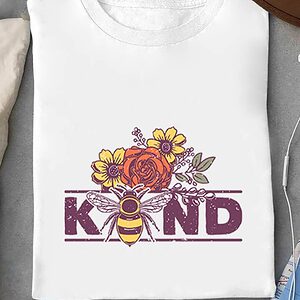
Bee Kind
 Arrives soon!Where this date comes fromYou order today, Mon Oct 5, before 2:00 pm ET.1–3 business days for the shop to prepare and pack it.It ships by Thu Oct 8.4 business days in the mail with Priority Shipping → arrives Mon Oct 12–Wed Oct 14.Most orders land closer to Mon Oct 12 — weekends and US holidays are not counted.This is an estimate, not a guarantee. Carriers and busy weeks can move it. If your order arrives more than 7 days after the latest estimated delivery date shown at checkout, Ettee Purchase Protection covers it: tell us within 30 days of delivery and choose a full refund or a free replacement — nothing to send back.Read the full shipping & returns policy Get it by
Oct 12–Oct 14
if you order today with Priority Shipping — tracked all the way to your door.
Arrives soon!Where this date comes fromYou order today, Mon Oct 5, before 2:00 pm ET.1–3 business days for the shop to prepare and pack it.It ships by Thu Oct 8.4 business days in the mail with Priority Shipping → arrives Mon Oct 12–Wed Oct 14.Most orders land closer to Mon Oct 12 — weekends and US holidays are not counted.This is an estimate, not a guarantee. Carriers and busy weeks can move it. If your order arrives more than 7 days after the latest estimated delivery date shown at checkout, Ettee Purchase Protection covers it: tell us within 30 days of delivery and choose a full refund or a free replacement — nothing to send back.Read the full shipping & returns policy Get it by
Oct 12–Oct 14
if you order today with Priority Shipping — tracked all the way to your door.
 Returns & exchanges accepted within 30 daysOur return policyTell us within 30 days of delivery if your item arrives damaged, faulty, or different from what you ordered: send a photo and we replace it or refund you in full, with nothing to send back. If your order arrives late — more than 7 days after the latest estimated delivery date shown at checkout — choose a full refund or a free replacement.Changed your mind? Return it unused within 30 days of delivery. Email [email protected] with your order number, then send it to our US return address; you pay return postage, and we refund the item within 1–2 business days of receiving it. EU and UK: you can cancel until 14 days after delivery, and we also refund the standard shipping.Please double-check your personalization details and shipping address before ordering; we cannot cover errors entered at checkout. Questions? Email us — we reply within 1 business day and resolve most issues within 3 business days, no dispute needed.Read the full return policy
Buy together, get 10% off
Buy 2 or more items from this shop and each one is 10% off in your cart. Items already on sale keep their sale price.
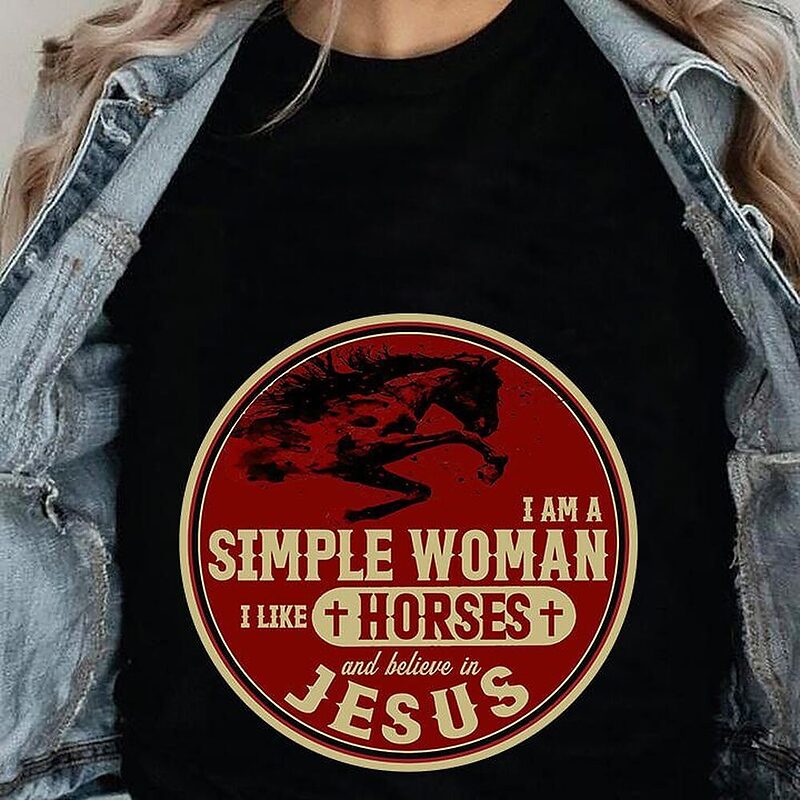 I Am a Simple Woman: Embrace Your Simplicity and Live Life to the Fullest
$21.95$19.7610% off together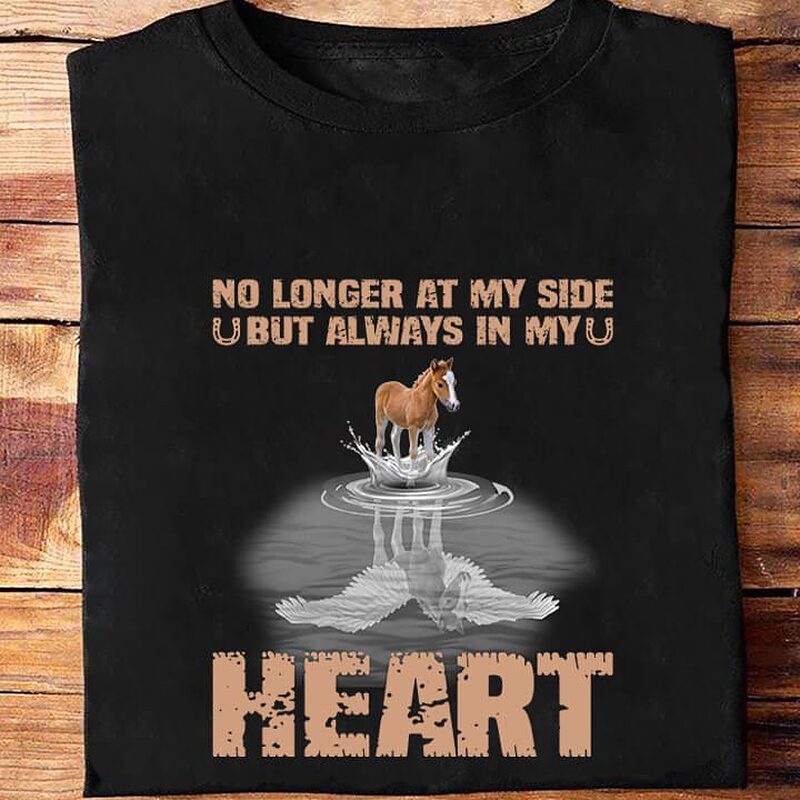 No Longer At My Side But Always In My Heart
$21.95$19.7610% off together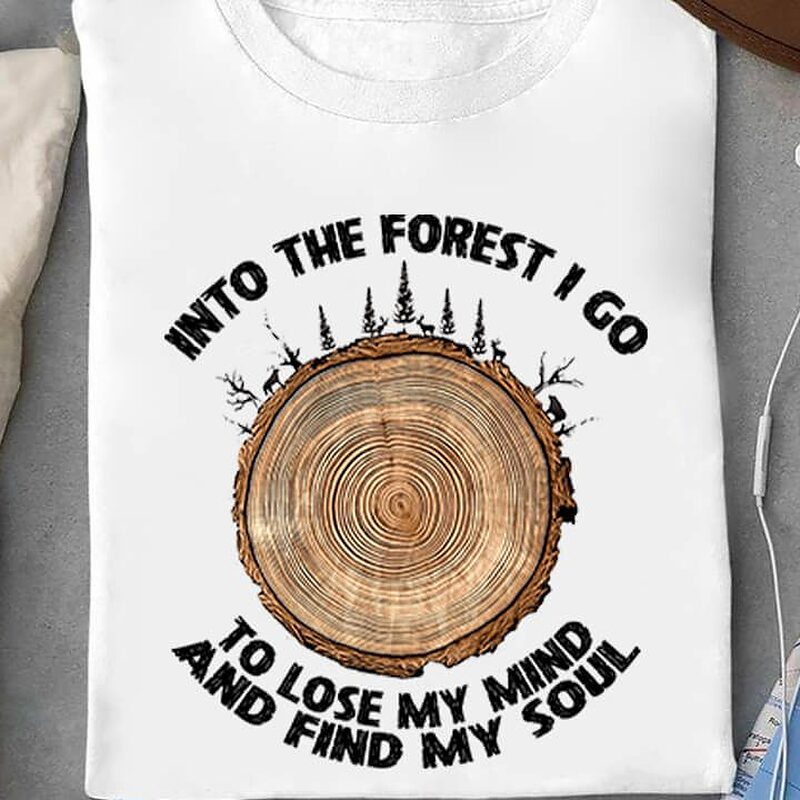 Into The Forest: A Journey to Discover My Soul
$21.95$19.7610% off together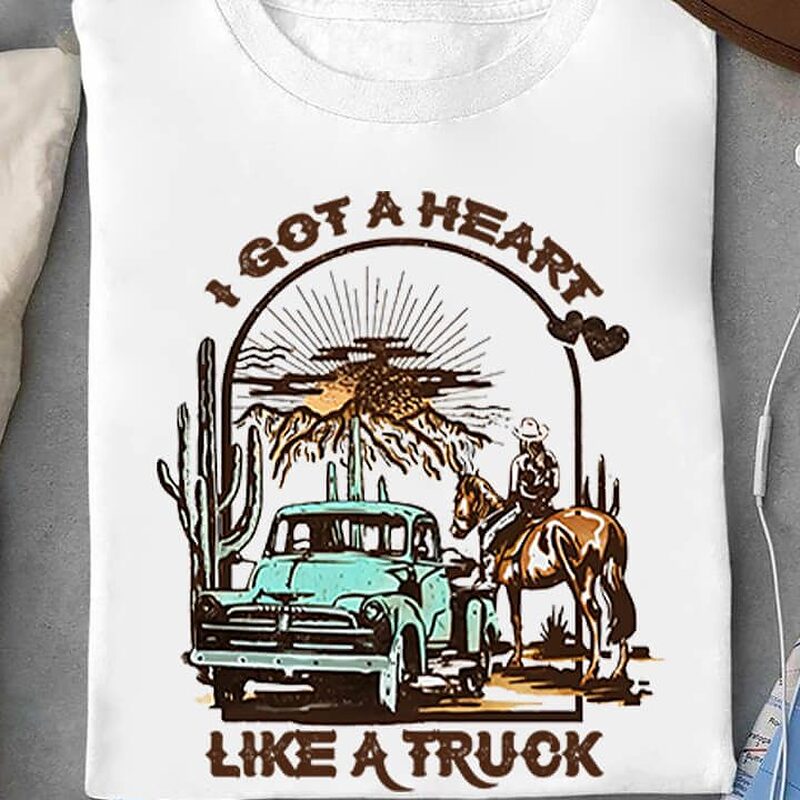 I Got A Heart Like A Truck
$21.95$19.7610% off together
Item details
Bee Kind: The Importance of Protecting Bees and Promoting Bee-Friendly Practices
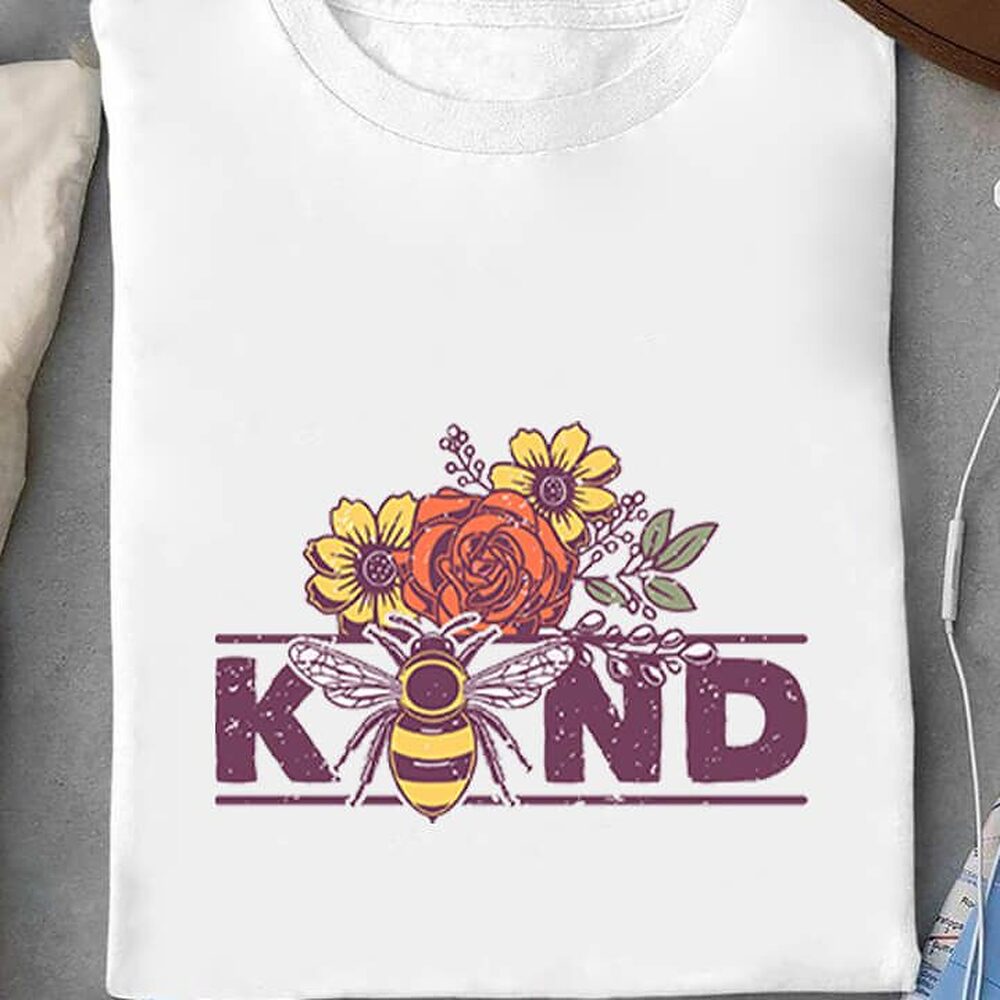
Table of Contents
- Introduction
- Why Bees Matter
- The Decline of Bee Populations
- Impacts of Bee Decline on Ecosystems and Agriculture
- Ecosystem Pollination Services
- Example: The Role of Bees in Pollinating Wildflowers in a Forest Ecosystem
Introduction
Bees are not just tiny insects buzzing around flowers; they play a crucial role in our ecosystem and food production. These industrious pollinators are responsible for the reproduction of numerous plant species, including many fruits, vegetables, and nuts that make up a significant portion of our diet. However, bee populations worldwide have been declining at an alarming rate due to various factors such as habitat loss, pesticide use, climate change, and diseases.
In this article, we will explore why bees matter to us and the environment. We will delve into the reasons behind the decline in bee populations and discuss the impacts it has on ecosystems and agriculture. Furthermore, we will provide valuable insights and practical tips on how individuals, communities, and businesses can contribute to bee conservation efforts by adopting bee-friendly practices.
Why Bees Matter
Bees are essential pollinators that facilitate the reproduction of flowering plants by transferring pollen from the male parts (anthers) to the female parts (stigma) of flowers. This process leads to fertilization and the production of seeds or fruits. Approximately 75% of all flowering plants rely on animal pollinators like bees for successful reproduction.
The importance of bees in our lives goes beyond their role as pollinators. Here are some key reasons why bees matter:
1. Food Production: Bees play a vital role in agriculture by pollinating crops such as apples, almonds, blueberries, cucumbers, and many more. Without bees’ pollination services, these crops would have reduced yields or fail altogether.
2. Biodiversity: Bees contribute to biodiversity by facilitating plant reproduction and promoting genetic diversity within plant populations.
3. Ecosystem Health: Bees are crucial for maintaining healthy ecosystems as they support the growth and survival of various plant species that provide food and habitat for other wildlife.
4. Economic Value: The economic value of bee-pollinated crops is significant worldwide, contributing billions of dollars annually to agricultural economies.
The Decline of Bee Populations
Over the past few decades, there has been a concerning decline in bee populations globally. This decline is attributed to several factors:
1. Habitat Loss: Destruction and fragmentation of natural habitats due to urbanization, intensive agriculture practices, deforestation, and land conversion have limited suitable nesting sites for bees and reduced the availability of diverse forage plants.
2. Pesticide Use: The widespread use of pesticides, particularly neonicotinoids, has been linked to bee declines. These chemicals can be toxic to bees, affecting their behavior, reproduction, and immune systems.
3. Climate Change: Changing climatic conditions such as extreme weather events and shifts in flowering times disrupt the synchronization between bees and their floral resources.
4. Diseases and Parasites: Bees face various diseases and parasites that weaken their immune systems and contribute to population declines. Varroa mites, for example, are a significant threat to honeybees worldwide.
Impacts of Bee Decline on Ecosystems and Agriculture
The decline in bee populations has far-reaching consequences for both ecosystems and agriculture:
Ecosystem Pollination Services
Bees are crucial pollinators not only for agricultural crops but also for wildflowers in natural ecosystems. Their pollination services support biodiversity by enabling the reproduction of numerous plant species that provide food sources (nectar) or habitat (pollen) for other animals.
For example: In a forest ecosystem, bees play a vital role in pollinating wildflowers that carpet the forest floor during springtime. These flowers provide essential nectar resources for butterflies, beetles, hummingbirds, bats, and other insects while serving as host plants for caterpillars or nesting sites for ground-nesting bees.
By promoting bee-friendly practices such as planting native wildflowers or reducing pesticide use near natural habitats like forests or meadows, we can help maintain healthy ecosystems with thriving plant communities supporting diverse wildlife populations.
Example: The Role of Bees in Pollinating Wildflowers in a Forest Ecosystem
In a study conducted in a temperate forest, researchers found that bees were the primary pollinators for 80% of the wildflower species surveyed. These wildflowers included trilliums, violets, and bloodroots, which are important early spring nectar sources for bees emerging from hibernation.
The researchers observed that bee abundance and diversity positively correlated with the number of flowers visited and seed set (the number of seeds produced per flower). This indicates that bees play a crucial role in maintaining plant populations and genetic diversity within the forest ecosystem.
By protecting bee populations and their habitats, we can ensure the continued pollination services they provide to maintain healthy ecosystems worldwide.
Bee-Friendly Practices: How You Can Make a Difference
Individuals, communities, and businesses can contribute to bee conservation efforts by adopting bee-friendly practices. Here are some practical tips:
1. Plant Bee-Friendly Gardens: Choose native plants that provide nectar and pollen throughout the year. Aim for a variety of flower shapes, colors, and sizes to attract different bee species. Avoid using pesticides or opt for organic alternatives.
2. Create Bee Nesting Sites: Provide nesting opportunities by leaving patches of bare ground or creating artificial nests such as wooden blocks with drilled holes or bundles of hollow stems.
3. Support Local Beekeepers: Buy honey from local beekeepers who practice sustainable beekeeping methods. This supports their livelihoods while promoting healthy honeybee populations.
4. Educate Others: Spread awareness about the importance of bees through educational initiatives at schools or community events. Encourage others to take action by sharing information on social media platforms or organizing workshops on bee-friendly practices.
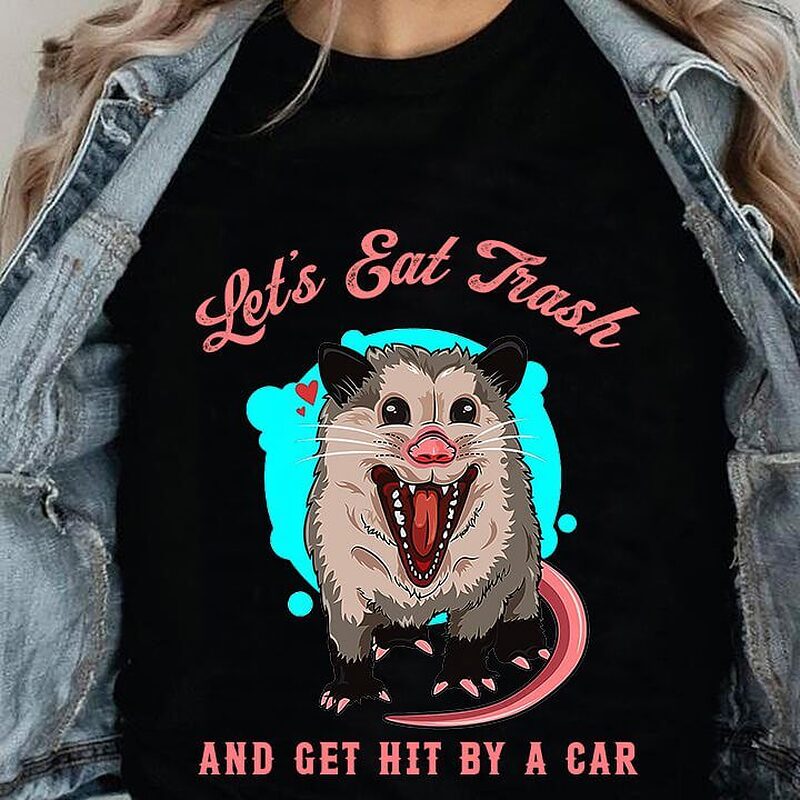
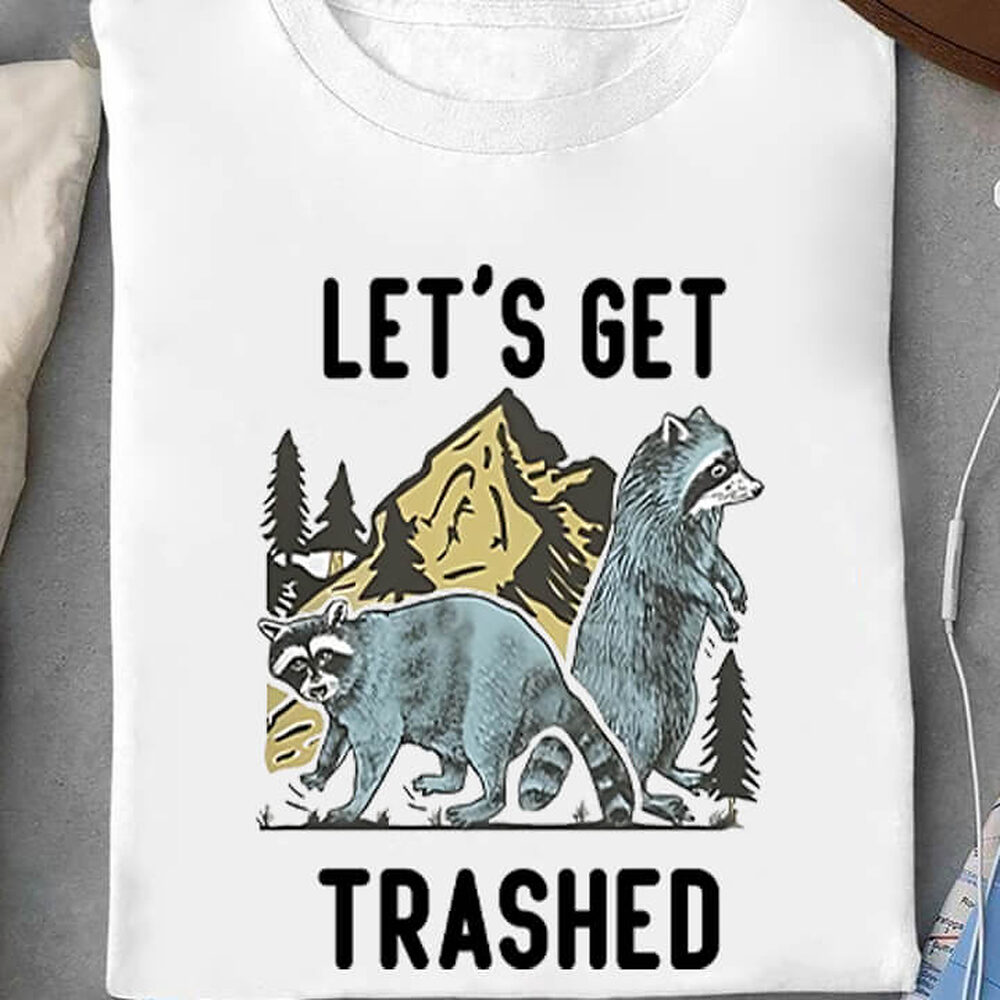
5. Let’s Get Trashed: Support sustainable alternatives to single-use plastic products by switching to eco-friendly options like reusable beeswax wraps. These wraps are a great alternative to plastic cling wrap and help reduce plastic waste that harms the environment.
By incorporating these bee-friendly practices into our daily lives, we can collectively make a significant impact on bee conservation and ensure the continued well-being of these vital pollinators.
Summary
Bees play an indispensable role in our ecosystem and food production as essential pollinators. However, their populations have been declining due to habitat loss, pesticide use, climate change, and diseases. The decline of bees has far-reaching impacts on ecosystems and agriculture, affecting biodiversity, food security, and economic value.
To protect bees and promote their well-being, it is crucial for individuals, communities, and businesses to adopt bee-friendly practices. Planting native wildflowers in gardens or creating nesting sites for bees are simple yet effective ways to support their populations. Supporting local beekeepers who practice sustainable methods also contributes to honeybee conservation efforts.
By taking action today through small changes in our daily lives such as using eco-friendly alternatives like reusable beeswax wraps instead of single-use plastics (e.g., Let’s Get Trashed), we can collectively make a significant difference in preserving bee populations for future generations.
Q&A
Q1: Why are bees important for food production?
A1: Bees are crucial for food production because they facilitate the pollination of many crops that make up a significant portion of our diet. Without their pollination services, crop yields would be reduced or fail altogether.
Q2: How do pesticides affect bees?
A2: Pesticides, particularly neonicotinoids, can be toxic to bees. They affect bees’ behavior, reproduction, and immune systems, contributing to population declines.
Q3: What can individuals do to help protect bees?
A3: Individuals can help protect bees by planting bee-friendly gardens with native plants, creating nesting sites for bees, supporting local beekeepers who practice sustainable methods, and spreading awareness about the importance of bees.
Common FAQ
Q1: How can I attract more bees to my garden?
A1: To attract more bees to your garden, choose native plants that provide nectar and pollen throughout the year. Aim for a variety of flower shapes and colors. Avoid using pesticides or opt for organic alternatives.
Q2: Are all types of bees declining in population?
A2: While honeybee populations have received significant attention due to their economic importance in agriculture, many wild bee species are also experiencing declines. It is essential to protect all types of bee populations for ecosystem health and biodiversity.
Remember that every small action counts when it comes to protecting our precious pollinators. Let’s be kind to the bees and create a future where they thrive alongside us!
This article was brought to you by Ettee, promoting sustainable alternatives like reusable Beeswax Wraps.
Shipping and return policies
FAQs
How does personalization work?
If this item can be personalized, type the name, date, or message in the personalization box on this page, right above the Add to Cart button. The shop adds exactly what you enter, so please double-check your spelling before ordering. See how personalization works
When will my order arrive?
Your order ships from the shop’s own warehouse or workshop on the timeline shown in the shipping details above. Ordering for a holiday or a special date? Check our seasonal deadlines so it lands on time. View shipping deadlines
Can I return or exchange my item?
If it arrives damaged, faulty, or different from what you ordered, yes — tell us within 30 days of delivery and we will replace it or refund you in full, at no cost to you and with nothing to send back. If it arrives late — more than 7 days after the latest estimated delivery date shown at checkout — choose a full refund or a free replacement. Changed your mind? Return it unused within 30 days of delivery: email us first with your order number, then send it to our US return address (on the returns page); you pay return postage, and we refund the item within 1–2 business days of receiving it. Read the full return policy
Is my purchase protected?
Always. Every order is backed by Ettee Purchase Protection — if something arrives damaged, late (more than 7 days after the latest estimated delivery date shown at checkout), or not as described, tell us within 30 days of delivery and choose a full refund or a free replacement. Learn about Purchase Protection
Can I send this as a gift?
Absolutely — we love gift orders. Ship straight to your recipient and add a gift note at checkout; we will take care of the rest. Gift questions, answered
How do I choose the right size or option?
All available options are listed above. Check the size chart photo in the listing gallery for exact measurements — and if you are between sizes, we recommend sizing up.
Who sells this item?
The shop named on this page—an independent retail business that ships from its own warehouse or workshop, reviewed and verified by Ettee. Meet the shops