






























Estimated delivery: Nov 7-13 How we estimate this datePlease allow 1–3 business days for the shop to prepare your order, then 9–11 business days in transit with Standard shipping.These dates are our best estimate, not a guarantee — peak seasons, carrier delays, customs checks, or severe weather can occasionally add time. Business days do not include weekends or US holidays.Carrier, customs, and weather delays are outside our control, but if they make your order late — more than 7 days after the latest estimated delivery date shown at checkout — Ettee Purchase Protection still covers you: you choose a full refund or a free replacement, with nothing to send back.You will receive tracking the moment your order ships. Running late? Message us first — we reply within 1 business day and resolve most issues within 3 business days.Read the full shipping timeline
Similar items
Sweet gift for my mom. She cried a little when she opened it. The colors are soft and lovely.

Second one I have ordered. Great quality, fits true to size, and my husband wears it every weekend.
Really cute and well made. Shipping took a couple of extra days, but it was worth the wait.
Got this for my husband for our anniversary and he has not stopped smiling. The print is crisp and the colors are exactly like the photos.
More from this shop
Visit shop$49.99
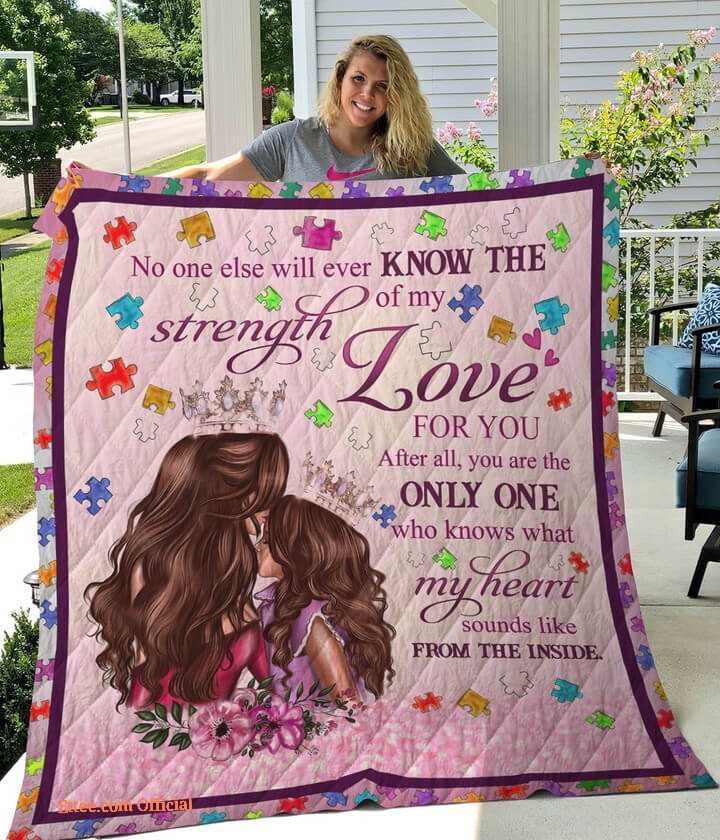
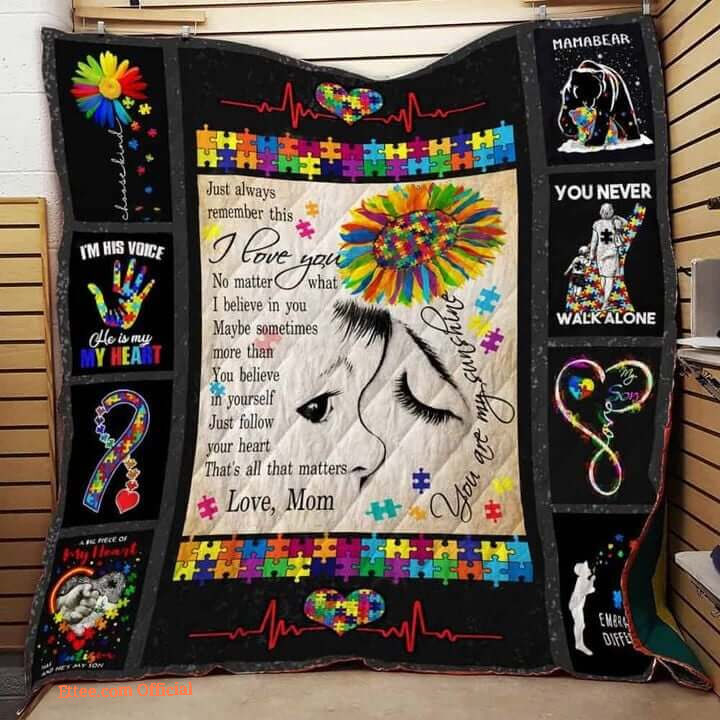
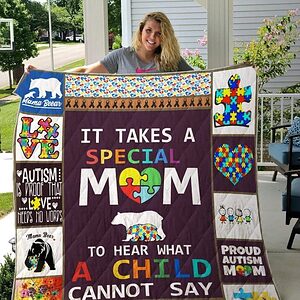
Autism Mom It Takes A Special Mom To Hear What A Child Cannot Say Quilt Blanket Great
 Arrives soon!Where this date comes fromYou order today, Sat Oct 24, before 2:00 pm ET.1–3 business days for the shop to prepare and pack it.It ships by Wed Oct 28.4 business days in the mail with Priority Shipping → arrives Fri Oct 30–Tue Nov 3.Most orders land closer to Fri Oct 30 — weekends and US holidays are not counted.This is an estimate, not a guarantee. Carriers and busy weeks can move it. If your order arrives more than 7 days after the latest estimated delivery date shown at checkout, Ettee Purchase Protection covers it: tell us within 30 days of delivery and choose a full refund or a free replacement — nothing to send back.Read the full shipping & returns policy Get it by
Oct 30–Nov 3
if you order today with Priority Shipping — tracked all the way to your door.
Arrives soon!Where this date comes fromYou order today, Sat Oct 24, before 2:00 pm ET.1–3 business days for the shop to prepare and pack it.It ships by Wed Oct 28.4 business days in the mail with Priority Shipping → arrives Fri Oct 30–Tue Nov 3.Most orders land closer to Fri Oct 30 — weekends and US holidays are not counted.This is an estimate, not a guarantee. Carriers and busy weeks can move it. If your order arrives more than 7 days after the latest estimated delivery date shown at checkout, Ettee Purchase Protection covers it: tell us within 30 days of delivery and choose a full refund or a free replacement — nothing to send back.Read the full shipping & returns policy Get it by
Oct 30–Nov 3
if you order today with Priority Shipping — tracked all the way to your door.
 Returns & exchanges accepted within 30 daysOur return policyTell us within 30 days of delivery if your item arrives damaged, faulty, or different from what you ordered: send a photo and we replace it or refund you in full, with nothing to send back. If your order arrives late — more than 7 days after the latest estimated delivery date shown at checkout — choose a full refund or a free replacement.Changed your mind? Return it unused within 30 days of delivery. Email [email protected] with your order number, then send it to our US return address; you pay return postage, and we refund the item within 1–2 business days of receiving it. EU and UK: you can cancel until 14 days after delivery, and we also refund the standard shipping.Please double-check your personalization details and shipping address before ordering; we cannot cover errors entered at checkout. Questions? Email us — we reply within 1 business day and resolve most issues within 3 business days, no dispute needed.Read the full return policy
On sale now from Ideas In Ink Prints: up to 19% off
Hurry, the first of these sales ends Oct 31. Add 2 or more items from this shop and the ones not on sale are 10% off in your cart.
Item details
Autism Mom: It Takes a Special Mom to Hear What a Child Cannot Say
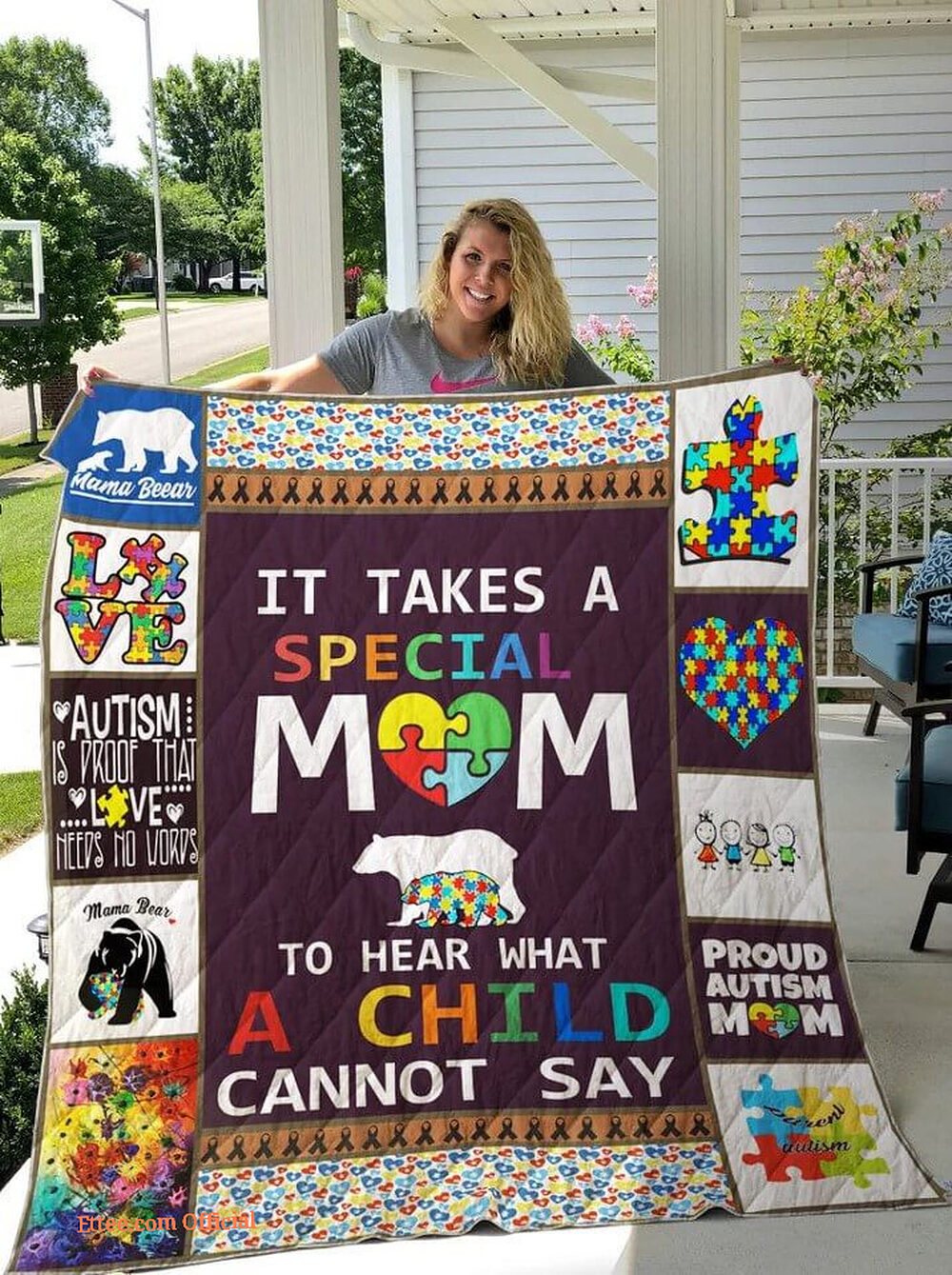
Table of Contents
- Introduction
- Understanding Autism
- The Role of a Special Mom
- Supporting a Child with Autism
- Creating a Safe and Nurturing Environment
- Communication Strategies
- Therapies and Interventions
- Advocacy and Education
- Self-Care for Autism Moms
- Q&A
- Common FAQ
- Conclusion
Introduction
Being a mother is a challenging yet rewarding journey, but being an autism mom requires an extra level of strength, patience, and understanding. Autism is a complex neurodevelopmental disorder that affects communication, social interaction, and behavior. In this article, we will explore the unique role of an autism mom and provide valuable insights on how to support a child with autism. We will also discuss various strategies, therapies, and interventions that can help improve the quality of life for both the child and the mom.
Understanding Autism
Autism, or autism spectrum disorder (ASD), is a lifelong condition that typically appears in early childhood. It is characterized by difficulties in social interaction, communication challenges, and repetitive behaviors. Autism is a spectrum disorder, which means that it affects individuals differently, ranging from mild to severe.
The Role of a Special Mom
An autism mom plays a crucial role in the life of a child with autism. She is not only a caregiver but also an advocate, therapist, teacher, and emotional support system. A special mom understands the unique needs of her child and works tirelessly to provide the best possible care and opportunities for growth.
Supporting a Child with Autism
Supporting a child with autism requires a comprehensive approach that addresses their specific needs. Here are some key strategies that can help:
- Establishing routines and structure: Children with autism thrive in predictable environments. Creating a consistent daily routine can help reduce anxiety and provide a sense of security.
- Visual aids and social stories: Visual supports, such as schedules, charts, and social stories, can assist in improving communication and understanding for children with autism.
- Positive reinforcement: Using positive reinforcement techniques, such as rewards and praise, can motivate desired behaviors and help children with autism learn new skills.
- Sensory considerations: Many individuals with autism have sensory sensitivities. Understanding and accommodating their sensory needs can make a significant difference in their comfort and well-being.
Creating a Safe and Nurturing Environment
A safe and nurturing environment is essential for the well-being of a child with autism. Here are some tips for creating such an environment:
- Minimize sensory overload: Reduce excessive noise, bright lights, and clutter that may overwhelm a child with autism.
- Create a calm space: Designate a quiet area where the child can retreat to when feeling overwhelmed or overstimulated.
- Childproofing: Take necessary precautions to ensure the safety of the child, especially if they engage in repetitive or self-stimulatory behaviors.
- Establish clear boundaries: Clearly communicate rules and expectations to provide structure and consistency.
Communication Strategies
Communication can be a significant challenge for individuals with autism. Here are some effective strategies to enhance communication:
- Visual supports: Visual aids, such as picture cards, can help individuals with autism understand and express their needs and emotions.
- Augmentative and alternative communication (AAC): AAC systems, including sign language, picture exchange communication systems (PECS), and speech-generating devices, can facilitate communication for nonverbal individuals.
- Social skills training: Teaching social skills through structured programs can help individuals with autism improve their ability to interact and communicate with others.
Therapies and Interventions
Various therapies and interventions can significantly benefit children with autism. Some commonly used approaches include:
- Applied Behavior Analysis (ABA): ABA is a scientifically validated therapy that focuses on teaching new skills and reducing challenging behaviors through positive reinforcement.
- Speech therapy: Speech therapy can help individuals with autism improve their communication skills, including speech articulation, language comprehension, and social communication.
- Occupational therapy: Occupational therapy addresses sensory integration, fine motor skills, self-care skills, and activities of daily living.
- Physical therapy: Physical therapy aims to improve gross motor skills, coordination, balance, and strength.
Advocacy and Education
As an autism mom, advocating for your child’s rights and ensuring they receive appropriate education and support is crucial. Here are some steps you can take:
- Educate yourself: Learn about autism, its characteristics, and evidence-based interventions to make informed decisions for your child.
- Collaborate with professionals: Work closely with teachers, therapists, and healthcare providers to develop an individualized education plan (IEP) and access necessary services.
- Join support groups: Connect with other autism moms and caregivers to share experiences, gain support, and exchange valuable resources.
- Advocate for inclusion: Promote inclusive practices in schools, communities, and society to ensure individuals with autism have equal opportunities.
Self-Care for Autism Moms
Caring for a child with autism can be physically and emotionally demanding. It is essential for autism moms to prioritize self-care to maintain their well-being. Here are some self-care tips:
- Seek support: Reach out to friends, family, or support groups for emotional support and understanding.
- Take breaks: Schedule regular breaks to recharge and engage in activities that bring you joy and relaxation.
- Practice stress management techniques: Explore stress management techniques such as meditation, deep breathing exercises, or engaging in hobbies.
- Take care of your health: Prioritize healthy eating, regular exercise, and sufficient sleep to maintain your physical health.
Q&A
Q: What are some signs of autism in children?
A: Some common signs of autism in children include delayed speech and language development, difficulty with social interactions, repetitive behaviors, intense focus on specific interests, and sensory sensitivities.
Q: How can I support my child’s education as an autism mom?
A: As an autism mom, you can support your child’s education by collaborating with teachers and professionals, advocating for appropriate services and accommodations, and staying involved in their educational journey.
Q: Are there any alternative therapies that can help children with autism?
A: While there are many alternative therapies available, it is important to consult with professionals and rely on evidence-based interventions. Some alternative therapies may complement traditional approaches, but their effectiveness varies, and individual results may vary.
Common FAQ
Q: How can I find support groups for autism moms?
A: You can find support groups for autism moms through local autism organizations, online communities, or by asking your child’s healthcare provider or therapist for recommendations.
Q: Is autism curable?
A: Autism is a lifelong condition, and there is currently no known cure. However, early intervention and appropriate therapies can significantly improve the quality of life for individuals with autism.
Q: How can I explain autism to my child’s siblings or peers?
A: It is important to provide age-appropriate explanations about autism to siblings or peers. Emphasize that individuals with autism may have unique strengths and challenges and encourage empathy and understanding.
Conclusion
Being an autism mom is a remarkable journey that requires immense dedication, love, and understanding. By embracing the role of a special mom, supporting a child with autism through various strategies and interventions, and prioritizing self-care, you can create a nurturing environment where your child can thrive. Remember, you are not alone on this journey, and there are resources and support available to help you navigate the challenges and celebrate the joys of being an autism mom.
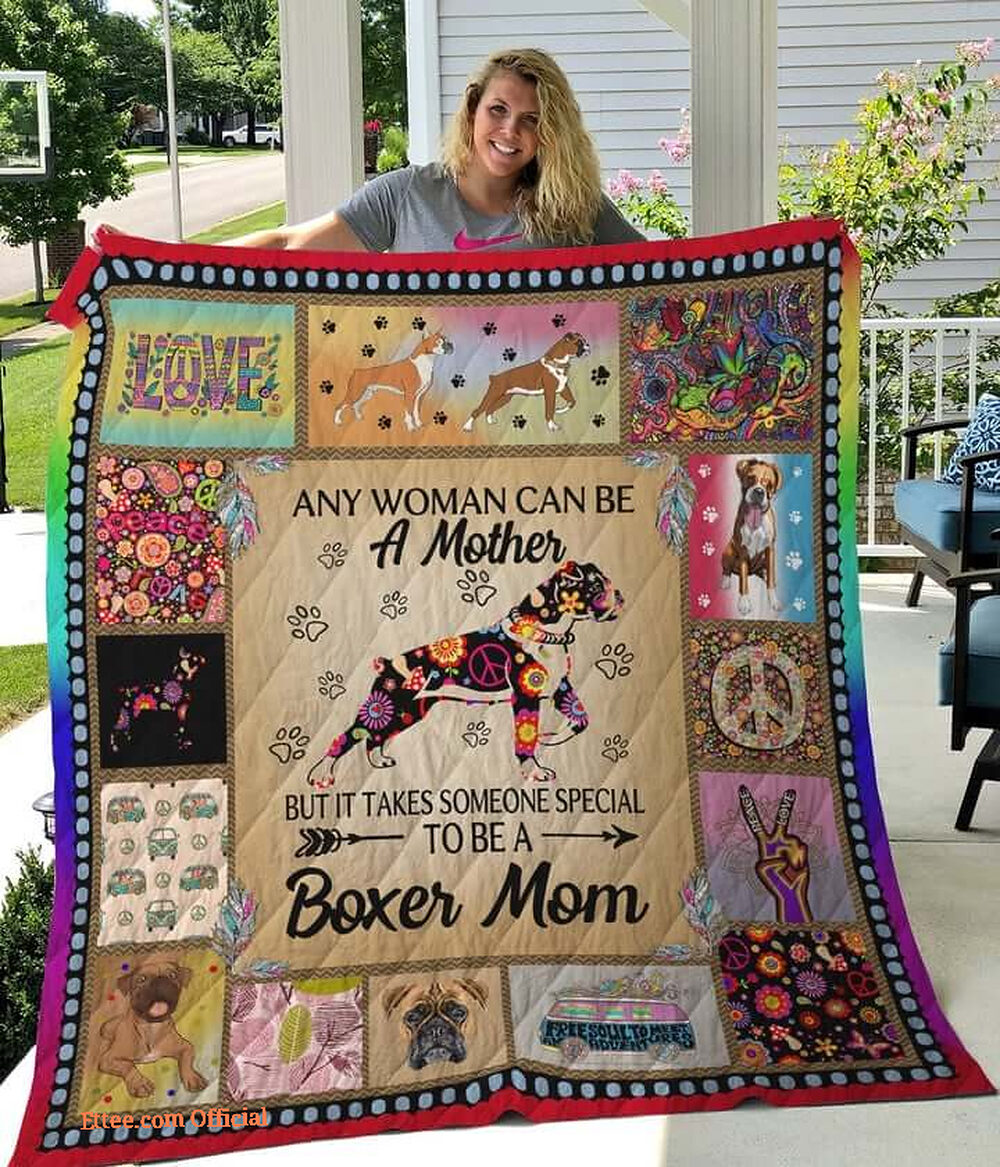
Click here to explore a special quilt blanket designed for Boxer moms.
Shipping and return policies
FAQs
How does personalization work?
If this item can be personalized, type the name, date, or message in the personalization box on this page, right above the Add to Cart button. The shop adds exactly what you enter, so please double-check your spelling before ordering. See how personalization works
When will my order arrive?
Your order ships from the shop’s own warehouse or workshop on the timeline shown in the shipping details above. Ordering for a holiday or a special date? Check our seasonal deadlines so it lands on time. View shipping deadlines
Can I return or exchange my item?
If it arrives damaged, faulty, or different from what you ordered, yes — tell us within 30 days of delivery and we will replace it or refund you in full, at no cost to you and with nothing to send back. If it arrives late — more than 7 days after the latest estimated delivery date shown at checkout — choose a full refund or a free replacement. Changed your mind? Return it unused within 30 days of delivery: email us first with your order number, then send it to our US return address (on the returns page); you pay return postage, and we refund the item within 1–2 business days of receiving it. Read the full return policy
Is my purchase protected?
Always. Every order is backed by Ettee Purchase Protection — if something arrives damaged, late (more than 7 days after the latest estimated delivery date shown at checkout), or not as described, tell us within 30 days of delivery and choose a full refund or a free replacement. Learn about Purchase Protection
Can I send this as a gift?
Absolutely — we love gift orders. Ship straight to your recipient and add a gift note at checkout; we will take care of the rest. Gift questions, answered
How do I choose the right size or option?
All available options are listed above. If you are between sizes, we recommend sizing up.
Who sells this item?
The shop named on this page—an independent retail business that ships from its own warehouse or workshop, reviewed and verified by Ettee. Meet the shops