

































Estimated delivery: Nov 7-13 How we estimate this datePlease allow 1–3 business days for the shop to prepare your order, then 9–11 business days in transit with Standard shipping.These dates are our best estimate, not a guarantee — peak seasons, carrier delays, customs checks, or severe weather can occasionally add time. Business days do not include weekends or US holidays.Carrier, customs, and weather delays are outside our control, but if they make your order late — more than 7 days after the latest estimated delivery date shown at checkout — Ettee Purchase Protection still covers you: you choose a full refund or a free replacement, with nothing to send back.You will receive tracking the moment your order ships. Running late? Message us first — we reply within 1 business day and resolve most issues within 3 business days.Read the full shipping timeline
Similar items
Sweet gift for my mom. She cried a little when she opened it. The colors are soft and lovely.

Second one I have ordered. Great quality, fits true to size, and my husband wears it every weekend.
Really cute and well made. Shipping took a couple of extra days, but it was worth the wait.
Got this for my husband for our anniversary and he has not stopped smiling. The print is crisp and the colors are exactly like the photos.
More from this shop
Visit shop$21.95
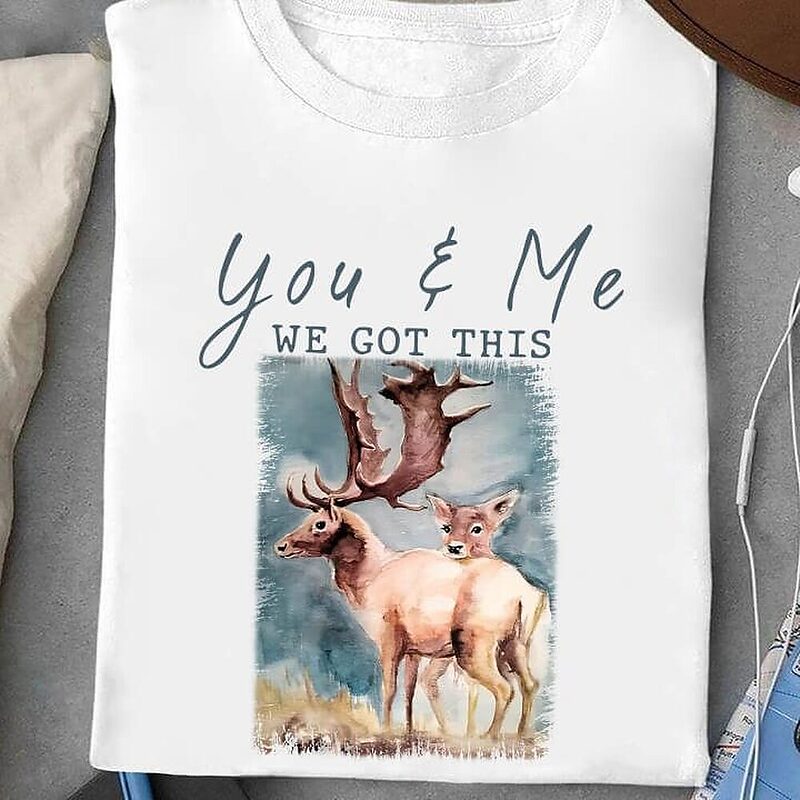
Even Though I’m Not From Your Sack
 Arrives soon!Where this date comes fromYou order today, Sat Oct 24, before 2:00 pm ET.1–3 business days for the shop to prepare and pack it.It ships by Wed Oct 28.4 business days in the mail with Priority Shipping → arrives Fri Oct 30–Tue Nov 3.Most orders land closer to Fri Oct 30 — weekends and US holidays are not counted.This is an estimate, not a guarantee. Carriers and busy weeks can move it. If your order arrives more than 7 days after the latest estimated delivery date shown at checkout, Ettee Purchase Protection covers it: tell us within 30 days of delivery and choose a full refund or a free replacement — nothing to send back.Read the full shipping & returns policy Get it by
Oct 30–Nov 3
if you order today with Priority Shipping — tracked all the way to your door.
Arrives soon!Where this date comes fromYou order today, Sat Oct 24, before 2:00 pm ET.1–3 business days for the shop to prepare and pack it.It ships by Wed Oct 28.4 business days in the mail with Priority Shipping → arrives Fri Oct 30–Tue Nov 3.Most orders land closer to Fri Oct 30 — weekends and US holidays are not counted.This is an estimate, not a guarantee. Carriers and busy weeks can move it. If your order arrives more than 7 days after the latest estimated delivery date shown at checkout, Ettee Purchase Protection covers it: tell us within 30 days of delivery and choose a full refund or a free replacement — nothing to send back.Read the full shipping & returns policy Get it by
Oct 30–Nov 3
if you order today with Priority Shipping — tracked all the way to your door.
 Returns & exchanges accepted within 30 daysOur return policyTell us within 30 days of delivery if your item arrives damaged, faulty, or different from what you ordered: send a photo and we replace it or refund you in full, with nothing to send back. If your order arrives late — more than 7 days after the latest estimated delivery date shown at checkout — choose a full refund or a free replacement.Changed your mind? Return it unused within 30 days of delivery. Email [email protected] with your order number, then send it to our US return address; you pay return postage, and we refund the item within 1–2 business days of receiving it. EU and UK: you can cancel until 14 days after delivery, and we also refund the standard shipping.Please double-check your personalization details and shipping address before ordering; we cannot cover errors entered at checkout. Questions? Email us — we reply within 1 business day and resolve most issues within 3 business days, no dispute needed.Read the full return policy
Make it a set: up to 19% off Ideas In Ink Prints favorites
Hurry, the first of these sales ends Oct 31. Add 2 or more items from this shop and the ones not on sale are 10% off in your cart.
Item details
Even Though I’m Not From Your Sack: Understanding the Origins of Products

Table of Contents
- The Impact of Globalization on Product Origins
- The Complexities of Supply Chains
- Sourcing Raw Materials Globally
- Manufacturing Processes and Locations
- Example: The Automotive Industry’s Global Manufacturing Network</il
</ul
</ul
</ul
</ul - Conclusion: Understanding the Complexity Behind Product Origins and Making Informed Choices.</il
Introduction:
When we purchase products, it’s easy to assume that they are made locally or at least originate from our own country. However, in today’s interconnected world, the origins of products can be far more complex than we might imagine. This article aims to shed light on the topic by exploring how globalization has impacted product origins and unraveling the complexities within supply chains.
Understanding the Origins of Products:
In an era where international trade is thriving, it’s crucial to understand the origins of the products we consume. The globalization of markets has led to a significant shift in manufacturing and sourcing practices, making it essential for consumers to be aware of where their products come from.
The Impact of Globalization on Product Origins:
Globalization has revolutionized the way businesses operate, enabling them to tap into resources and markets worldwide. This has resulted in a more interconnected global economy, with supply chains spanning across multiple countries.
One key aspect of globalization is outsourcing. Companies often choose to outsource certain stages of production or even entire manufacturing processes to countries with lower labor costs or specialized expertise. This practice allows businesses to remain competitive by reducing costs and accessing skilled labor pools.
However, outsourcing can make it challenging for consumers to determine the true origin of a product. While a brand may be based in one country, its products could be manufactured in several different locations around the world.
The Complexities of Supply Chains:
Supply chains play a vital role in determining product origins. A typical supply chain involves various stages such as sourcing raw materials, manufacturing processes, assembly, packaging, and distribution. Each stage can involve multiple locations across different countries.
Sourcing Raw Materials Globally:
Raw materials are often sourced globally due to factors such as availability and cost-effectiveness. For example:
- Coffee beans may come from South America
- Textile fibers might originate from Asia
- Electronics components could be sourced from various countries like China or Japan
This global sourcing ensures that companies have access to high-quality materials at competitive prices but also adds complexity when determining product origins.
Manufacturing Processes and Locations:
Manufacturing processes can be distributed across different countries, with each location specializing in specific tasks. For instance:
- Automobile manufacturers may have assembly plants in multiple countries, while engines and transmissions are produced elsewhere.
- Apparel brands often have their designs created in one country, fabrics sourced from another, and manufacturing done in yet another location.
This decentralized approach to manufacturing allows companies to leverage the strengths of different regions while optimizing costs. However, it further complicates the task of identifying a product’s true origin.
Example: The Automotive Industry’s Global Manufacturing Network:
The automotive industry provides an excellent example of how complex global supply chains can be. Car manufacturers often have assembly plants spread across various countries to cater to regional markets efficiently.
For instance:
- A German car brand may assemble its vehicles in Germany but source components like engines from Japan or transmissions from the United States.
- An American car brand might assemble its cars domestically but import certain parts from Mexico or China.
These examples highlight how interconnected and globalized supply chains have become within industries that serve consumers worldwide.
Conclusion: Understanding the Complexity Behind Product Origins and Making Informed Choices
In today’s interconnected world, understanding the origins of products is no longer a straightforward task. Globalization has led to complex supply chains that span multiple countries for sourcing raw materials and manufacturing processes.
As consumers, it is essential for us to be aware of these complexities so that we can make informed choices about the products we purchase. By understanding where our products come from, we can support local industries or make conscious decisions based on ethical considerations such as fair trade practices or environmental sustainability.
Next time you buy a product, take a moment to consider its origins and the journey it has taken before reaching your hands. By doing so, you contribute to a more transparent and responsible global marketplace.
Just When I Thought: If you’re interested in exploring unique products with fascinating origins, check out Just When I Thought. This collection showcases handcrafted items from artisans around the world, each with its own story to tell.

Q&A (Questions & Answers)
Q: Why is it important to know the origins of products?
A: Understanding the origins of products allows consumers to make informed choices based on factors such as supporting local industries or considering ethical considerations like fair trade practices or environmental sustainability.
Q: How has globalization impacted product origins?
A: Globalization has led to complex supply chains that span multiple countries for sourcing raw materials and manufacturing processes. This makes it challenging for consumers to determine the true origin of a product.
Common FAQ (Frequently Asked Questions)
1. Can companies hide the true origin of their products?
No, companies are legally required to disclose accurate information about their product’s origin. However, due to complex supply chains and outsourcing practices, determining the exact origin can be challenging for consumers.
2. How can consumers find out where a product comes from?
To find out where a product comes from, consumers can look for information on packaging labels or company websites. Additionally, some brands provide transparency reports or certifications that disclose their supply chain practices.
3. Are there any benefits to globalized supply chains?
Yes, globalized supply chains allow companies to access resources and expertise from around the world, reducing costs and increasing efficiency. They also enable businesses to cater to diverse markets more effectively.
4. How can consumers support local industries?
Consumers can support local industries by consciously choosing products made locally or from their own country. This helps promote local businesses, create jobs, and contribute to the economic growth of the community.
References
- “Globalization.” Investopedia, 2021. https://www.investopedia.com/terms/g/globalization.asp
- “Supply Chain Management.” Investopedia, 2021. https://www.investopedia.com/terms/s/scm.asp
- “The Impact of Globalization on Supply Chains.” Cerasis Blog, 2019. https://cerasis.com/impact-of-globalization-on-supply-chains/
Shipping and return policies
FAQs
How does personalization work?
If this item can be personalized, type the name, date, or message in the personalization box on this page, right above the Add to Cart button. The shop adds exactly what you enter, so please double-check your spelling before ordering. See how personalization works
When will my order arrive?
Your order ships from the shop’s own warehouse or workshop on the timeline shown in the shipping details above. Ordering for a holiday or a special date? Check our seasonal deadlines so it lands on time. View shipping deadlines
Can I return or exchange my item?
If it arrives damaged, faulty, or different from what you ordered, yes — tell us within 30 days of delivery and we will replace it or refund you in full, at no cost to you and with nothing to send back. If it arrives late — more than 7 days after the latest estimated delivery date shown at checkout — choose a full refund or a free replacement. Changed your mind? Return it unused within 30 days of delivery: email us first with your order number, then send it to our US return address (on the returns page); you pay return postage, and we refund the item within 1–2 business days of receiving it. Read the full return policy
Is my purchase protected?
Always. Every order is backed by Ettee Purchase Protection — if something arrives damaged, late (more than 7 days after the latest estimated delivery date shown at checkout), or not as described, tell us within 30 days of delivery and choose a full refund or a free replacement. Learn about Purchase Protection
Can I send this as a gift?
Absolutely — we love gift orders. Ship straight to your recipient and add a gift note at checkout; we will take care of the rest. Gift questions, answered
How do I choose the right size or option?
All available options are listed above. If you are between sizes, we recommend sizing up.
Who sells this item?
The shop named on this page—an independent retail business that ships from its own warehouse or workshop, reviewed and verified by Ettee. Meet the shops