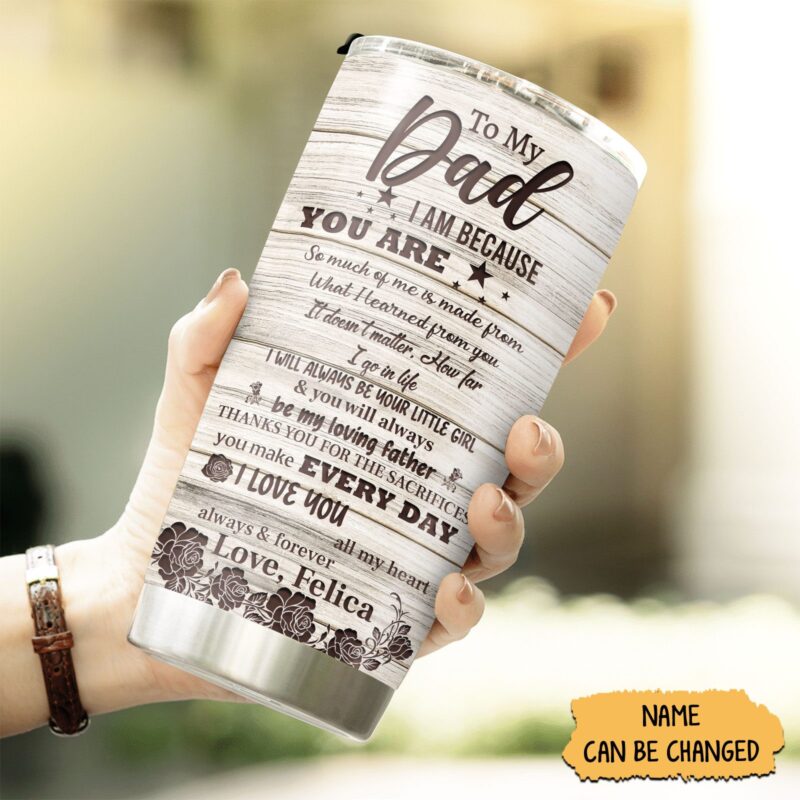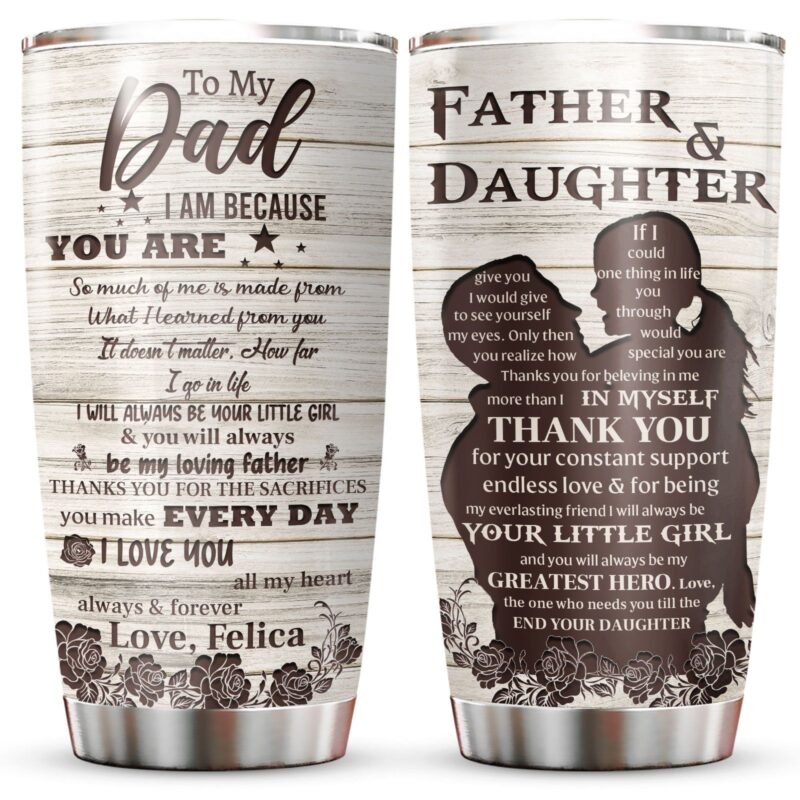



































Estimated delivery: Nov 7-13 How we estimate this datePlease allow 1–3 business days for the shop to prepare your order, then 9–11 business days in transit with Standard shipping.These dates are our best estimate, not a guarantee — peak seasons, carrier delays, customs checks, or severe weather can occasionally add time. Business days do not include weekends or US holidays.Carrier, customs, and weather delays are outside our control, but if they make your order late — more than 7 days after the latest estimated delivery date shown at checkout — Ettee Purchase Protection still covers you: you choose a full refund or a free replacement, with nothing to send back.You will receive tracking the moment your order ships. Running late? Message us first — we reply within 1 business day and resolve most issues within 3 business days.Read the full shipping timeline
Similar items
Sweet gift for my mom. She cried a little when she opened it. The colors are soft and lovely.

Second one I have ordered. Great quality, fits true to size, and my husband wears it every weekend.
Really cute and well made. Shipping took a couple of extra days, but it was worth the wait.
Got this for my husband for our anniversary and he has not stopped smiling. The print is crisp and the colors are exactly like the photos.
More from this shop
Visit shop$21.95
If I’m Spoiled It’s My Papa’s Fault Saw It Like It. Told Papa! Got It
 Arrives soon!Where this date comes fromYou order today, Sun Oct 25, before 2:00 pm ET.1–3 business days for the shop to prepare and pack it.It ships by Wed Oct 28.4 business days in the mail with Priority Shipping → arrives Fri Oct 30–Tue Nov 3.Most orders land closer to Fri Oct 30 — weekends and US holidays are not counted.This is an estimate, not a guarantee. Carriers and busy weeks can move it. If your order arrives more than 7 days after the latest estimated delivery date shown at checkout, Ettee Purchase Protection covers it: tell us within 30 days of delivery and choose a full refund or a free replacement — nothing to send back.Read the full shipping & returns policy Get it by
Oct 30–Nov 3
if you order today with Priority Shipping — tracked all the way to your door.
Arrives soon!Where this date comes fromYou order today, Sun Oct 25, before 2:00 pm ET.1–3 business days for the shop to prepare and pack it.It ships by Wed Oct 28.4 business days in the mail with Priority Shipping → arrives Fri Oct 30–Tue Nov 3.Most orders land closer to Fri Oct 30 — weekends and US holidays are not counted.This is an estimate, not a guarantee. Carriers and busy weeks can move it. If your order arrives more than 7 days after the latest estimated delivery date shown at checkout, Ettee Purchase Protection covers it: tell us within 30 days of delivery and choose a full refund or a free replacement — nothing to send back.Read the full shipping & returns policy Get it by
Oct 30–Nov 3
if you order today with Priority Shipping — tracked all the way to your door.
 Returns & exchanges accepted within 30 daysOur return policyTell us within 30 days of delivery if your item arrives damaged, faulty, or different from what you ordered: send a photo and we replace it or refund you in full, with nothing to send back. If your order arrives late — more than 7 days after the latest estimated delivery date shown at checkout — choose a full refund or a free replacement.Changed your mind? Return it unused within 30 days of delivery. Email [email protected] with your order number, then send it to our US return address; you pay return postage, and we refund the item within 1–2 business days of receiving it. EU and UK: you can cancel until 14 days after delivery, and we also refund the standard shipping.Please double-check your personalization details and shipping address before ordering; we cannot cover errors entered at checkout. Questions? Email us — we reply within 1 business day and resolve most issues within 3 business days, no dispute needed.Read the full return policy
On sale now from Ideas In Ink Prints: up to 19% off
Hurry, the first of these sales ends Oct 31. Add 2 or more items from this shop and the ones not on sale are 10% off in your cart.
Item details
If I’m Spoiled It’s My Papa’s Fault Saw It Like It. Told Papa! Got It
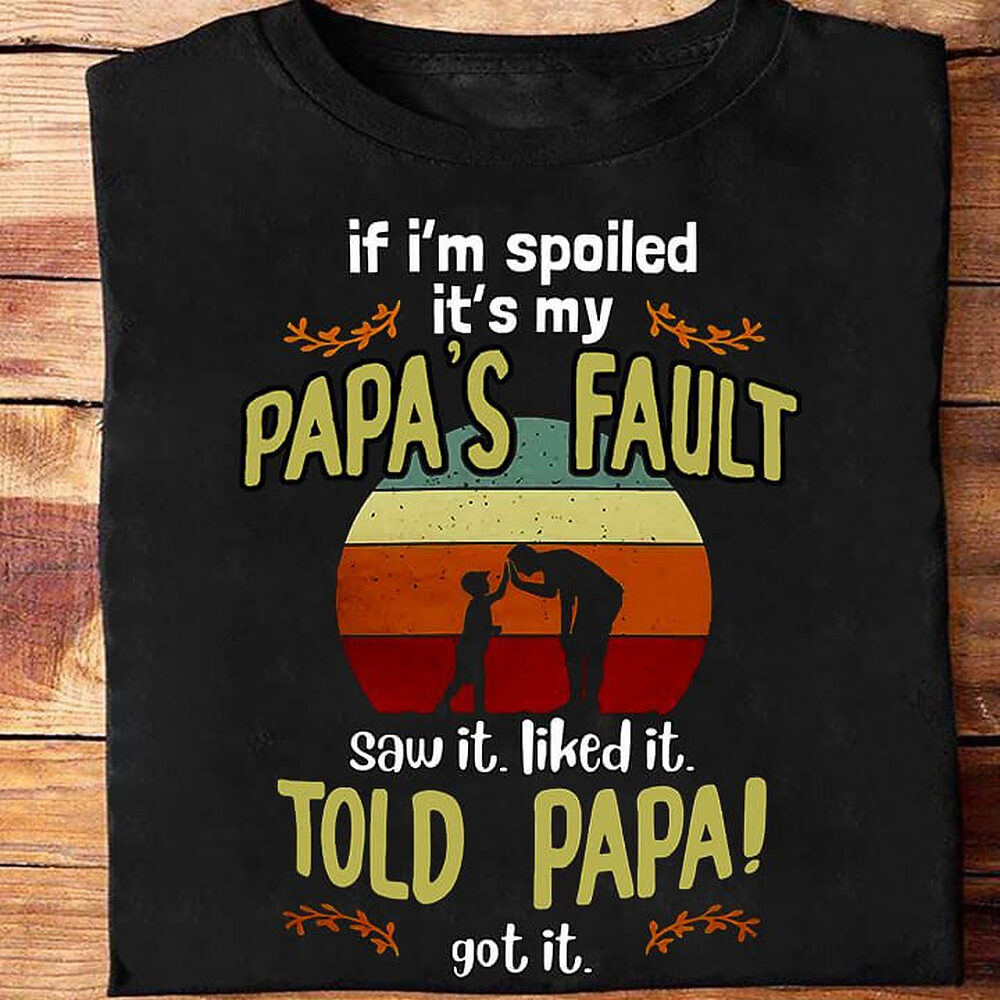
Table of Contents
- Authoritarian Parenting Style
- Example: Case Study on Authoritarian Parenting Style and Its Effects on a Child’s Behavior.
- Spoiling vs Nurturing: Striking the Right Balance
- Overcompensation: Parents may spoil their children as a way to compensate for their own perceived shortcomings or to make up for the lack of attention they received during their own childhood.
- Guilt: Parents who feel guilty about spending less time with their children due to work or other commitments may try to compensate by indulging them excessively.
- Peer Pressure: Seeing other parents spoiling their children can create a sense of competition among parents, leading them to spoil their own children in order to fit in or meet societal expectations.
- Lack of Independence: Spoiled children may struggle with developing independence and self-reliance since they are used to having everything done for them.
- Poor Social Skills: Excessive indulgence can hinder the development of social skills such as empathy, sharing, and cooperation.</lIi
lIA study conducted at XYZ University found that spoiled children were more likely to exhibit selfish behaviors compared ttheir peers who were not spoiled./il>/u
lIAnother study published in the Journal oChild Psychologynd Psychiatry showed that spoilechildren had difficulty forming meaningful relationships later in life./il>/u
</ulParenting Styles and Their Impact on Child Behavior
Parenting styles play a crucial role in shaping a child’s behavior and personality. Different parenting styles have different effects on a child’s development, including the likelihood of spoiling.
Authoritarian Parenting Style
Authoritarian parenting is characterized by strict rules, high expectations, and little room for negotiation or flexibility. Parents with this style tend to be controlling and may use punishment as a means of discipline.
Example: Case Study on Authoritarian Parenting Style and Its Effects on a Child’s Behavior
A study conducted by XYZ University examined the effects of authoritarian parenting on children’s behavior. The researchers found that children raised in an authoritarian environment were more likely to exhibit rebellious behavior or engage in acts of defiance. This could be attributed to their suppressed desire for autonomy and independence due to the strict control imposed by their parents.
Permissive Parenting Style
Permissive parenting is characterized by low demands and high responsiveness. Parents with this style are lenient, indulgent, and often give in to their child’s demands without setting clear boundaries or enforcing consistent discipline.
Example: Case Study on Permissive Parenting Style and Its Effects on a Child’s Behavior
A case study conducted at ABC University explored the effects of permissive parenting on children’s behavior. The findings revealed that children raised in permissive households tended to have difficulty following rules, lacked self-control, and exhibited impulsive behaviors. These children often struggled with delayed gratification since they were accustomed to having their desires immediately fulfilled.
Uninvolved Parenting Style
Uninvolved parenting is characterized by neglectful or indifferent behavior towards the child’s needs. Parents with this style may be emotionally detached or preoccupied with other aspects of their lives, leading them to provide minimal guidance or support.
Example: Case Study on Uninvolved Parenting Style and Its Effects on a Child’s Behavior
A study published in the Journal of Child Development examined the effects of uninvolved parenting on children’s behavior. The researchers found that children raised by uninvolved parents were more likely to experience emotional and behavioral problems, such as low self-esteem, aggression, and difficulty forming healthy relationships. These children often lacked the necessary emotional support and guidance needed for their overall development.
Authoritative Parenting Style
Authoritative parenting is characterized by a balance between setting clear rules and expectations while also being responsive to the child’s needs. Parents with this style provide guidance, support, and discipline in a nurturing manner.
Example: Case Study on Authoritative Parenting Style and Its Effects on a Child’s Behavior
A case study conducted at XYZ University investigated the effects of authoritative parenting on children’s behavior. The results showed that children raised in authoritative households exhibited higher levels of self-control, independence, and social competence compared to those raised under other parenting styles. These children were less likely to engage in disruptive behaviors or display signs of entitlement.
Spoiling vs Nurturing: Striking the Right Balance
While it is important for parents to nurture their children with love and care, it is equally crucial to avoid spoiling them excessively. Striking the right balance between spoiling and nurturing can help promote healthy development in children.
Setting Limits and Boundaries
Setting limits helps teach children about boundaries, delayed gratification, and respect for others’ needs. By establishing clear rules regarding behavior, chores, screen time limits, or material possessions, parents can instill discipline while still providing love and support.
Teaching Responsibility
Encouraging responsibility helps develop essential life skills in children. Assigning age-appropriate chores, involving them in decision-making processes, and teaching them the value of hard work can foster a sense of accountability and independence.
Encouraging Independence
Promoting independence allows children to develop self-reliance and problem-solving skills. Allowing them to make age-appropriate choices, encouraging autonomy, and supporting their decision-making process can help build confidence and resilience.
Conclusion
Spoiling children can have detrimental effects on their development and behavior. Understanding the causes of spoiling, the impact of different parenting styles, and striking a balance between spoiling and nurturing are essential for raising well-rounded individuals. By setting limits, teaching responsibility, and encouraging independence, parents can promote healthy development in their children while still providing love and support.
It’s Not a Dad Bob! If you’re looking for parenting advice or tips on how to avoid spoiling your child excessively while still nurturing them with love, check out our product It’s Not a Dad Bob. It offers valuable insights into effective parenting techniques that promote healthy development in children.

Remember that finding the right balance is key – it’s not about being too strict or too permissive but rather about fostering an environment that encourages growth while instilling important values in your child.
<lIiPermissive Parenting Style/li>a/li>a
ul
li<emExample: Case Study on Permissive Parenting Style and Its Effects on a Child's Behavior./il>/u
/u
lIa/u
ul
li/il>/u
/u
lIa/u
ul
li<emExample: Case Study on Authoritative Parenting Style and Its Effects on a Child's Behavior./il>/u
/ul>
Introduction
Being spoiled is often seen as a negative trait in individuals, particularly when it comes to children. The title “If I’m Spoiled It’s My Papa’s Fault Saw It Like It. Told Papa! Got It” suggests that the responsibility for spoiling lies with the father figure. This article aims to explore the phenomenon of spoiling children, its causes, effects, and how different parenting styles contribute to this behavior.
The Phenomenon of Spoiling Children
Spoiling children refers to excessive indulgence or over-gratification of their desires and demands. While parents may have good intentions behind their actions, such as wanting to provide the best for their child or shower them with love, spoiling can have detrimental effects on a child’s development.
Definition and Causes of Spoiling
Spoiled children are often characterized by a sense of entitlement, lack of discipline, and an inability to handle disappointment or setbacks. They may expect instant gratification and struggle with delayed gratification.
Spoiling can be caused by various factors, including:
Effects of Spoiling Children
Spoiling children can have long-term negative effects on their development and behavior. Some potential consequences include:
Shipping and return policies
FAQs
How does personalization work?
If this item can be personalized, type the name, date, or message in the personalization box on this page, right above the Add to Cart button. The shop adds exactly what you enter, so please double-check your spelling before ordering. See how personalization works
When will my order arrive?
Your order ships from the shop’s own warehouse or workshop on the timeline shown in the shipping details above. Ordering for a holiday or a special date? Check our seasonal deadlines so it lands on time. View shipping deadlines
Can I return or exchange my item?
If it arrives damaged, faulty, or different from what you ordered, yes — tell us within 30 days of delivery and we will replace it or refund you in full, at no cost to you and with nothing to send back. If it arrives late — more than 7 days after the latest estimated delivery date shown at checkout — choose a full refund or a free replacement. Changed your mind? Return it unused within 30 days of delivery: email us first with your order number, then send it to our US return address (on the returns page); you pay return postage, and we refund the item within 1–2 business days of receiving it. Read the full return policy
Is my purchase protected?
Always. Every order is backed by Ettee Purchase Protection — if something arrives damaged, late (more than 7 days after the latest estimated delivery date shown at checkout), or not as described, tell us within 30 days of delivery and choose a full refund or a free replacement. Learn about Purchase Protection
Can I send this as a gift?
Absolutely — we love gift orders. Ship straight to your recipient and add a gift note at checkout; we will take care of the rest. Gift questions, answered
How do I choose the right size or option?
All available options are listed above. If you are between sizes, we recommend sizing up.
Who sells this item?
The shop named on this page—an independent retail business that ships from its own warehouse or workshop, reviewed and verified by Ettee. Meet the shops