



























Estimated delivery: Nov 6-12 How we estimate this datePlease allow 1–3 business days for the shop to prepare your order, then 9–11 business days in transit with Standard shipping.These dates are our best estimate, not a guarantee — peak seasons, carrier delays, customs checks, or severe weather can occasionally add time. Business days do not include weekends or US holidays.Carrier, customs, and weather delays are outside our control, but if they make your order late — more than 7 days after the latest estimated delivery date shown at checkout — Ettee Purchase Protection still covers you: you choose a full refund or a free replacement, with nothing to send back.You will receive tracking the moment your order ships. Running late? Message us first — we reply within 1 business day and resolve most issues within 3 business days.Read the full shipping timeline
Similar items
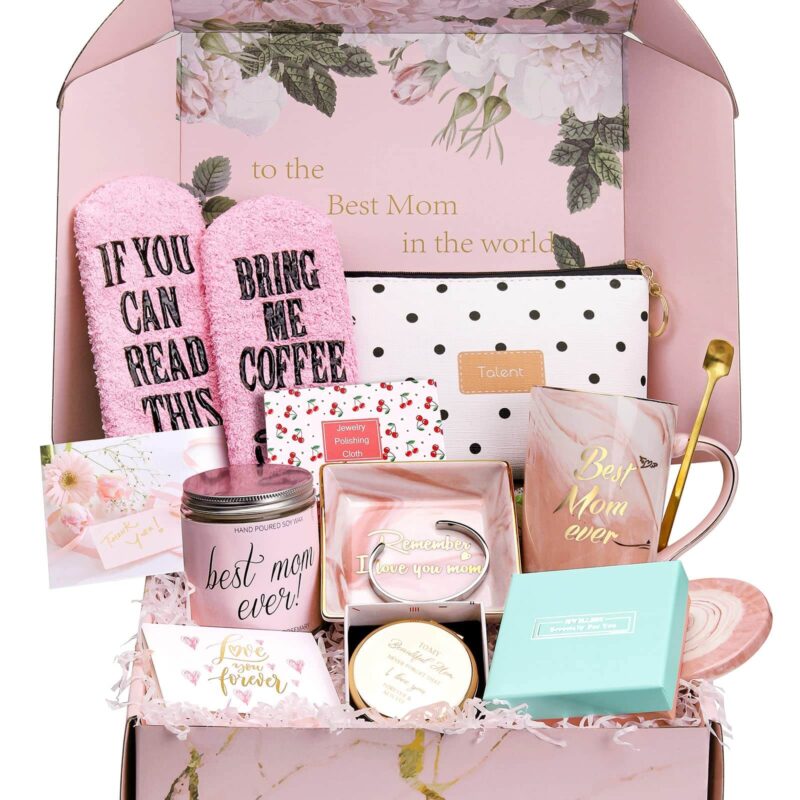
Sweet gift for my mom. She cried a little when she opened it. The colors are soft and lovely.

Second one I have ordered. Great quality, fits true to size, and my husband wears it every weekend.
Really cute and well made. Shipping took a couple of extra days, but it was worth the wait.
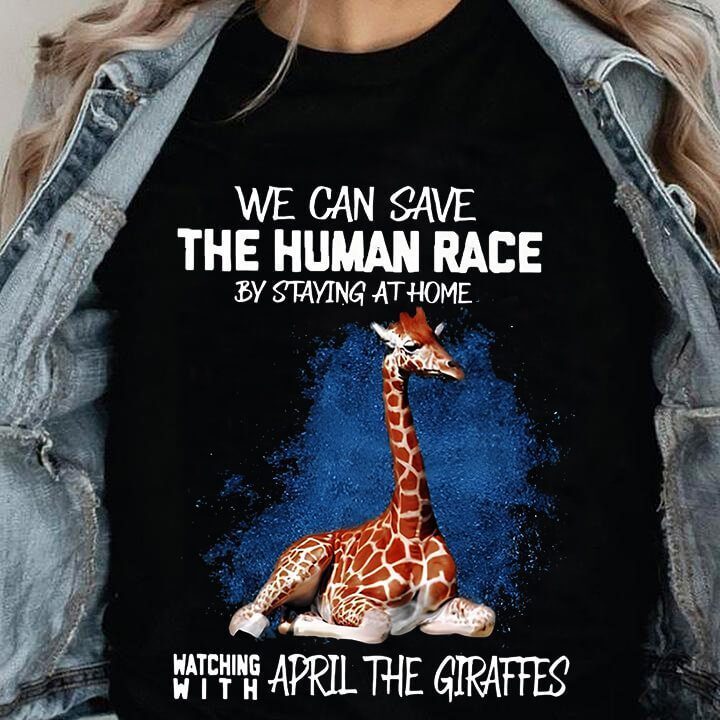
Got this for my husband for our anniversary and he has not stopped smiling. The print is crisp and the colors are exactly like the photos.
More from this shop
Visit shop$21.95
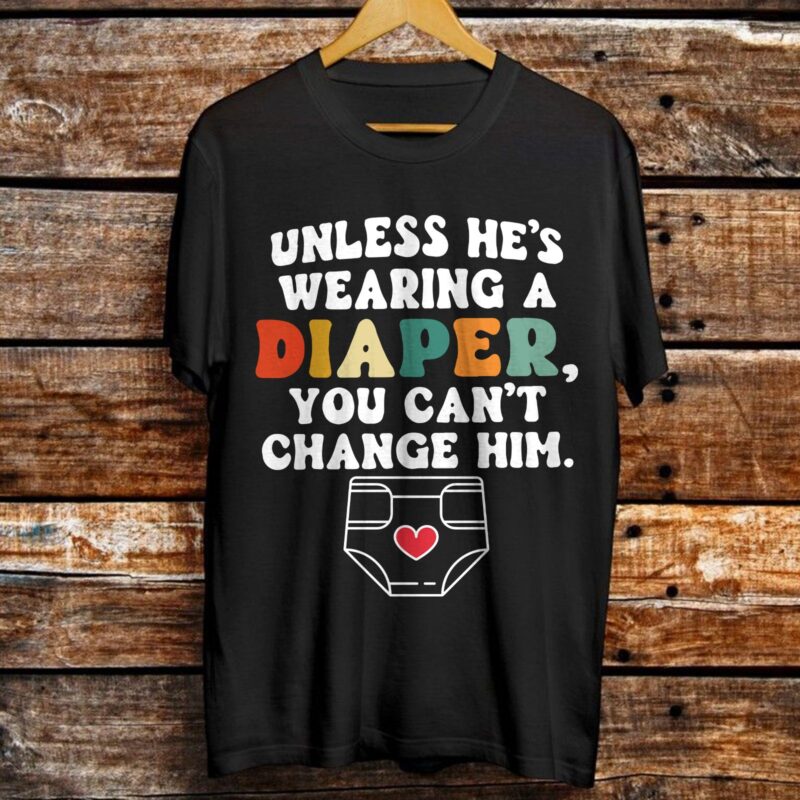
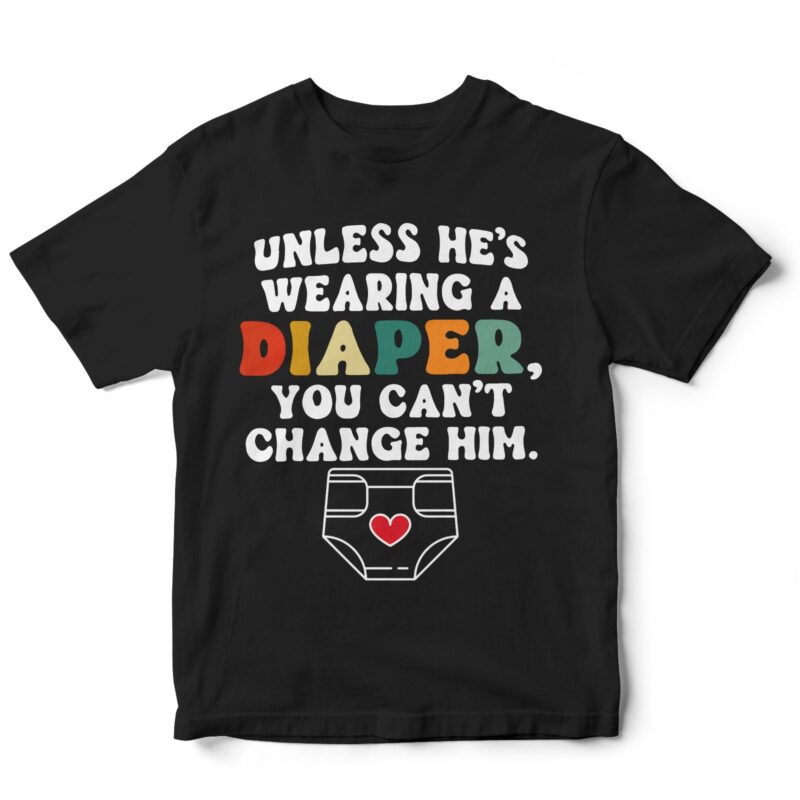
Stop Asking Why I’m Crazy I Dont Ask Why You’re So Stupid
 Arrives soon!Where this date comes fromYou order today, Sun Oct 25, before 2:00 pm ET.1–3 business days for the shop to prepare and pack it.It ships by Wed Oct 28.4 business days in the mail with Priority Shipping → arrives Fri Oct 30–Tue Nov 3.Most orders land closer to Fri Oct 30 — weekends and US holidays are not counted.This is an estimate, not a guarantee. Carriers and busy weeks can move it. If your order arrives more than 7 days after the latest estimated delivery date shown at checkout, Ettee Purchase Protection covers it: tell us within 30 days of delivery and choose a full refund or a free replacement — nothing to send back.Read the full shipping & returns policy Get it by
Oct 30–Nov 3
if you order today with Priority Shipping — tracked all the way to your door.
Arrives soon!Where this date comes fromYou order today, Sun Oct 25, before 2:00 pm ET.1–3 business days for the shop to prepare and pack it.It ships by Wed Oct 28.4 business days in the mail with Priority Shipping → arrives Fri Oct 30–Tue Nov 3.Most orders land closer to Fri Oct 30 — weekends and US holidays are not counted.This is an estimate, not a guarantee. Carriers and busy weeks can move it. If your order arrives more than 7 days after the latest estimated delivery date shown at checkout, Ettee Purchase Protection covers it: tell us within 30 days of delivery and choose a full refund or a free replacement — nothing to send back.Read the full shipping & returns policy Get it by
Oct 30–Nov 3
if you order today with Priority Shipping — tracked all the way to your door.
 Returns & exchanges accepted within 30 daysOur return policyTell us within 30 days of delivery if your item arrives damaged, faulty, or different from what you ordered: send a photo and we replace it or refund you in full, with nothing to send back. If your order arrives late — more than 7 days after the latest estimated delivery date shown at checkout — choose a full refund or a free replacement.Changed your mind? Return it unused within 30 days of delivery. Email [email protected] with your order number, then send it to our US return address; you pay return postage, and we refund the item within 1–2 business days of receiving it. EU and UK: you can cancel until 14 days after delivery, and we also refund the standard shipping.Please double-check your personalization details and shipping address before ordering; we cannot cover errors entered at checkout. Questions? Email us — we reply within 1 business day and resolve most issues within 3 business days, no dispute needed.Read the full return policy
More from Ideas In Ink Prints, now up to 19% off
Hurry, the first of these sales ends Oct 31. Add 2 or more items from this shop and the ones not on sale are 10% off in your cart.
Item details
Stop Asking Why I’m Crazy, I Don’t Ask Why You’re So Stupid

Table of Contents
- Introduction
- The Stigma Surrounding Mental Health
- Common Misconceptions about Mental Illness
- Statistics on Mental Health and Stigmatization
- The Impact of Stigmatization on Individuals with Mental Illnesses
- 5.1. Social Isolation and Discrimination
- 5.1.1. Case Study: John’s Experience with Stigmatization</ul
>
>
>
>
Introduction
Mental health is a topic that has gained significant attention in recent years, as society becomes more aware of the importance of psychological well-being. However, despite progress in understanding mental illnesses, there is still a prevalent stigma surrounding them. This article aims to shed light on the stigma associated with mental health issues and challenge the common misconceptions that contribute to it.
The Stigma Surrounding Mental Health
Stigma refers to negative attitudes or beliefs held by individuals or society as a whole towards certain characteristics or conditions. In the case of mental health, stigma often manifests as discrimination, prejudice, or stereotypes against individuals with mental illnesses. This stigma can be both external, coming from others, and internalized by those experiencing mental health issues themselves.
Common Misconceptions about Mental Illness
To address the stigma surrounding mental health, it is crucial to debunk common misconceptions that contribute to negative attitudes and beliefs. Some of these misconceptions include:
- Mental illness is a sign of weakness or personal failure.
- People with mental illnesses are dangerous or violent.
- Mental illnesses are not real medical conditions.
- Seeking help for mental health issues is unnecessary or a sign of weakness.
By challenging these misconceptions and promoting accurate information about mental health, we can work towards reducing the stigma associated with it.
Statistics on Mental Health and Stigmatization
Statistics provide valuable insights into the prevalence and impact of stigmatization related to mental health. Here are some key statistics:
- Approximately one in five adults in the United States experiences a mental illness in any given year (National Alliance on Mental Illness).</ul
>
>
>
The Impact of Stigmatization on Individuals with Mental Illnesses
Stigmatization has significant consequences for individuals living with mental illnesses. It affects various aspects of their lives, including relationships, employment opportunities, access to healthcare services, and overall well-being.
5.1 Social Isolation and Discrimination
One major consequence of stigmatization is social isolation. People with mental illnesses may face rejection from friends, family members, or even society as a whole due to the negative stereotypes associated with their conditions. This isolation can lead to feelings of loneliness, low self-esteem, and exacerbation of mental health symptoms.
5.1.1 Case Study: John’s Experience with Stigmatization
To illustrate the impact of stigmatization, let’s consider the case of John, a 30-year-old man diagnosed with bipolar disorder. Despite managing his condition effectively through therapy and medication, John often faces discrimination in his workplace. His colleagues make derogatory comments about his mental health and question his ability to perform tasks effectively.
As a result, John feels constantly judged and excluded from social interactions at work. This stigmatization not only affects his professional life but also takes a toll on his mental well-being. He experiences increased anxiety and depression symptoms due to the hostile work environment.
This case study highlights how stigmatization can perpetuate a cycle of negative experiences for individuals with mental illnesses.
Conclusion
In conclusion, the stigma surrounding mental health is an ongoing issue that needs to be addressed collectively as a society. By challenging misconceptions about mental illness and promoting understanding and empathy, we can create an environment that supports individuals living with these conditions.
It is essential for everyone to educate themselves about mental health issues and advocate for equal treatment and opportunities for those affected by them. Together, we can break down barriers and create a more inclusive society where no one has to feel ashamed or isolated because of their mental health challenges.
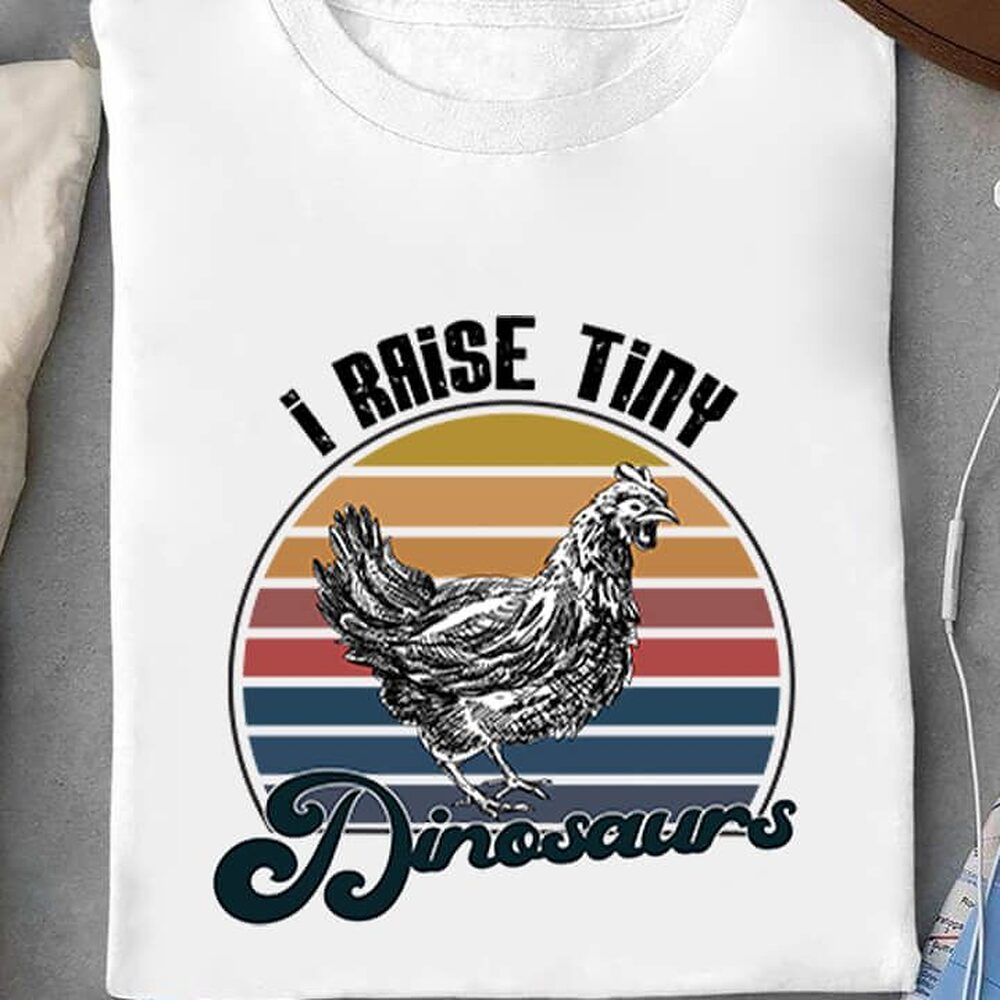
If you or someone you know is struggling with their mental health, remember that seeking help is not a sign of weakness but rather an act of strength. Visit I Raise Tiny Dinosaurs for resources on managing your well-being.
Q&A
Q: Why is there still a stigma surrounding mental health?
A: The stigma surrounding mental health persists due to various factors, including lack of awareness, fear of the unknown, and societal norms that prioritize physical health over psychological well-being.
Q: How can I help reduce the stigma surrounding mental health?
A: You can help reduce the stigma by educating yourself about mental health issues, challenging misconceptions when you encounter them, supporting individuals with mental illnesses, and advocating for equal treatment and opportunities.
Common FAQ
Q: Are people with mental illnesses dangerous?
A: No. People with mental illnesses are not inherently dangerous. The majority of individuals living with mental illnesses are non-violent and pose no threat to others.
Q: Can’t people just “snap out” of their mental illness?
A: Mental illnesses are real medical conditions that require appropriate treatment. It is not possible for someone to simply “snap out” of their condition without professional help and support.
Remember to prioritize your own well-being and seek help if needed. Visit I Raise Tiny Dinosaurs for more information on managing your mental health effectively.
Shipping and return policies
FAQs
How does personalization work?
If this item can be personalized, type the name, date, or message in the personalization box on this page, right above the Add to Cart button. The shop adds exactly what you enter, so please double-check your spelling before ordering. See how personalization works
When will my order arrive?
Your order ships from the shop’s own warehouse or workshop on the timeline shown in the shipping details above. Ordering for a holiday or a special date? Check our seasonal deadlines so it lands on time. View shipping deadlines
Can I return or exchange my item?
If it arrives damaged, faulty, or different from what you ordered, yes — tell us within 30 days of delivery and we will replace it or refund you in full, at no cost to you and with nothing to send back. If it arrives late — more than 7 days after the latest estimated delivery date shown at checkout — choose a full refund or a free replacement. Changed your mind? Return it unused within 30 days of delivery: email us first with your order number, then send it to our US return address (on the returns page); you pay return postage, and we refund the item within 1–2 business days of receiving it. Read the full return policy
Is my purchase protected?
Always. Every order is backed by Ettee Purchase Protection — if something arrives damaged, late (more than 7 days after the latest estimated delivery date shown at checkout), or not as described, tell us within 30 days of delivery and choose a full refund or a free replacement. Learn about Purchase Protection
Can I send this as a gift?
Absolutely — we love gift orders. Ship straight to your recipient and add a gift note at checkout; we will take care of the rest. Gift questions, answered
How do I choose the right size or option?
All available options are listed above. If you are between sizes, we recommend sizing up.
Who sells this item?
The shop named on this page—an independent retail business that ships from its own warehouse or workshop, reviewed and verified by Ettee. Meet the shops