



























Estimated delivery: Nov 7-13 How we estimate this datePlease allow 1–3 business days for the shop to prepare your order, then 9–11 business days in transit with Standard shipping.These dates are our best estimate, not a guarantee — peak seasons, carrier delays, customs checks, or severe weather can occasionally add time. Business days do not include weekends or US holidays.Carrier, customs, and weather delays are outside our control, but if they make your order late — more than 7 days after the latest estimated delivery date shown at checkout — Ettee Purchase Protection still covers you: you choose a full refund or a free replacement, with nothing to send back.You will receive tracking the moment your order ships. Running late? Message us first — we reply within 1 business day and resolve most issues within 3 business days.Read the full shipping timeline
Similar items
$21.95
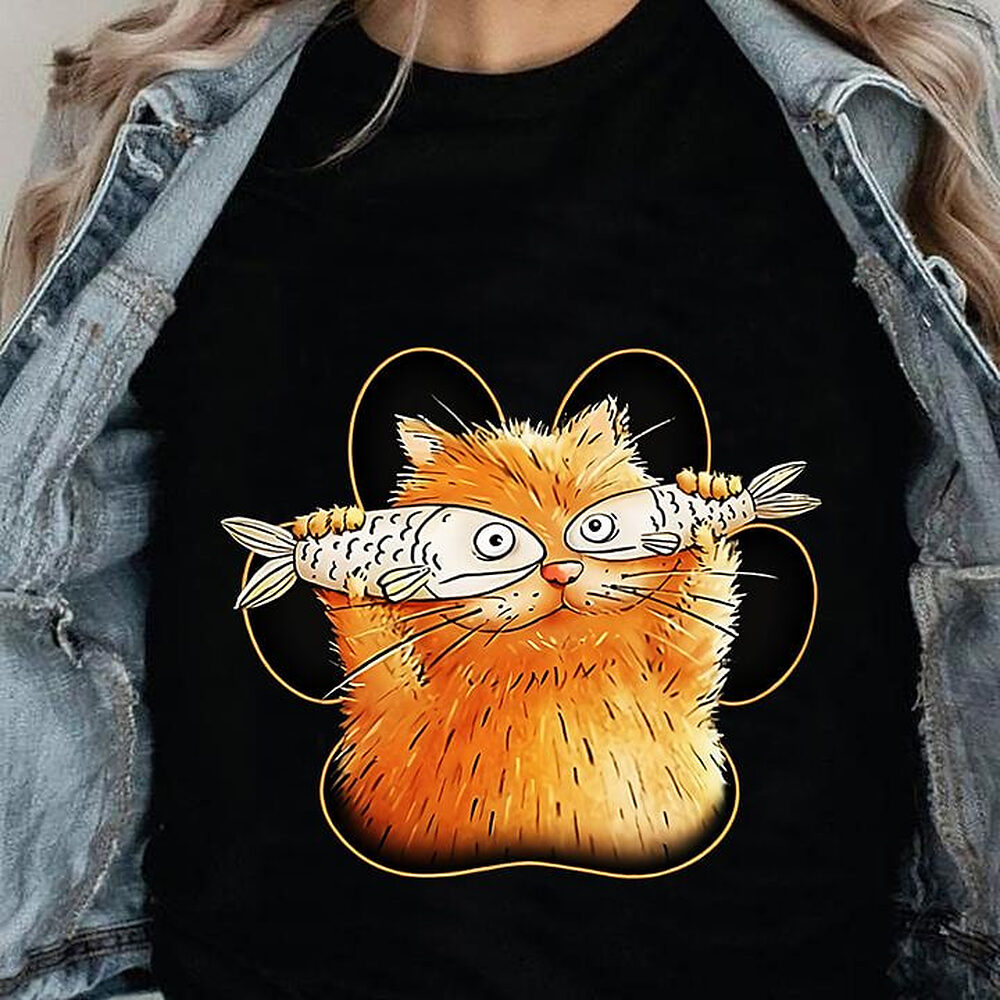
Paw Cat
 Arrives soon!Where this date comes fromYou order today, Sat Oct 24, before 2:00 pm ET.1–3 business days for the shop to prepare and pack it.It ships by Wed Oct 28.4 business days in the mail with Priority Shipping → arrives Fri Oct 30–Tue Nov 3.Most orders land closer to Fri Oct 30 — weekends and US holidays are not counted.This is an estimate, not a guarantee. Carriers and busy weeks can move it. If your order arrives more than 7 days after the latest estimated delivery date shown at checkout, Ettee Purchase Protection covers it: tell us within 30 days of delivery and choose a full refund or a free replacement — nothing to send back.Read the full shipping & returns policy Get it by
Oct 30–Nov 3
if you order today with Priority Shipping — tracked all the way to your door.
Arrives soon!Where this date comes fromYou order today, Sat Oct 24, before 2:00 pm ET.1–3 business days for the shop to prepare and pack it.It ships by Wed Oct 28.4 business days in the mail with Priority Shipping → arrives Fri Oct 30–Tue Nov 3.Most orders land closer to Fri Oct 30 — weekends and US holidays are not counted.This is an estimate, not a guarantee. Carriers and busy weeks can move it. If your order arrives more than 7 days after the latest estimated delivery date shown at checkout, Ettee Purchase Protection covers it: tell us within 30 days of delivery and choose a full refund or a free replacement — nothing to send back.Read the full shipping & returns policy Get it by
Oct 30–Nov 3
if you order today with Priority Shipping — tracked all the way to your door.
 Returns & exchanges accepted within 30 daysOur return policyTell us within 30 days of delivery if your item arrives damaged, faulty, or different from what you ordered: send a photo and we replace it or refund you in full, with nothing to send back. If your order arrives late — more than 7 days after the latest estimated delivery date shown at checkout — choose a full refund or a free replacement.Changed your mind? Return it unused within 30 days of delivery. Email [email protected] with your order number, then send it to our US return address; you pay return postage, and we refund the item within 1–2 business days of receiving it. EU and UK: you can cancel until 14 days after delivery, and we also refund the standard shipping.Please double-check your personalization details and shipping address before ordering; we cannot cover errors entered at checkout. Questions? Email us — we reply within 1 business day and resolve most issues within 3 business days, no dispute needed.Read the full return policy
Item details
Paw Cat: A Comprehensive Guide to Understanding Your Feline Companion

Table of Contents
- Communication and Body Language
- Play Behavior and Hunting Instincts
- Territoriality and Marking Behaviors
- Do cats have souls?
- How do I know if my cat is happy?
- What are some common health issues in cats?
- Can cats be trained like dogs?
- Why do cats purr?
(FAQ) Common Myths about Cats:
- Cats are solitary animals.
- Cats always land on their feet.
- All cats hate water.
Introduction:
Welcome to the world of feline companionship! Whether you’re a seasoned cat owner or considering bringing a cat into your life, this comprehensive guide will provide you with valuable insights and information about our beloved furry friends. Cats have been captivating humans for centuries with their mysterious nature, graceful movements, and independent personalities. In this article, we will explore the history of cats, their anatomy, behavior patterns, and answer some frequently asked questions to help you better understand your feline companion.
History of Cats:
Cats have a long and fascinating history intertwined with human civilization. The domestication of cats is believed to have started around 4,000 years ago in ancient Egypt. Initially revered for their ability to hunt pests such as rodents that threatened crops and stored food supplies, cats soon became symbols of protection and were even worshipped as deities in Egyptian culture.
From Egypt, the popularity of cats spread across different civilizations including the Greeks and Romans who admired them for their gracefulness and hunting skills. During the Middle Ages in Europe, however, cats faced persecution due to superstitions surrounding witchcraft.
It wasn’t until the 19th century that cats regained favor among Europeans as pets rather than just working animals. Today, they are one of the most popular pets worldwide with millions of households opening their doors to these enchanting creatures.
Anatomy of a Cat:
To truly understand our feline companions’ needs and behaviors it’s important to familiarize ourselves with their anatomy. Cats are known for their agility and flexibility which is attributed to several unique physical features:
- Eyes: A cat’s eyes are large compared to its head size allowing them excellent night vision capabilities.
- Ears: Fitted with highly sensitive muscles that enable them to rotate up to 180 degrees, cats have exceptional hearing abilities.
- Whiskers: Whiskers, or vibrissae, are specialized hairs that help cats navigate and sense their surroundings.
- Paws and Claws: Cats have retractable claws that they use for hunting, climbing, and self-defense. Their paws also contain scent glands for marking territory.
- Tail: A cat’s tail serves as a balance mechanism while jumping or walking on narrow surfaces. It also plays a role in communication through various tail positions and movements.
Understanding Cat Behavior:
Cats possess unique behaviors that can sometimes be puzzling to their human companions. By understanding the underlying reasons behind these behaviors, we can foster a stronger bond with our feline friends. Let’s explore some key aspects of cat behavior:
Communication and Body Language:
Cats communicate through a combination of vocalizations, body language cues, and scent marking. Understanding these forms of communication is crucial in deciphering your cat’s needs and emotions.
Vocalizations: Cats use various sounds to express themselves including meowing, purring, hissing, growling, chirping, trilling, and even yowling. Each sound carries its own meaning depending on the context.
Body Language: Paying attention to your cat’s body language can provide valuable insights into their mood. Tail position (upright vs tucked), ear position (forward vs flattened), pupil dilation (constricted vs dilated), and overall posture are all indicators of how your cat is feeling at any given moment.
Scent Marking: Cats have scent glands located on different parts of their bodies, including their paws and cheeks. By rubbing against objects or people, they leave behind pheromones that serve as territorial markers.
Play Behavior and Hunting Instincts:
Play behavior is an essential part of a cat’s life, especially during their early stages of development. Kittens learn vital skills through play such as hunting techniques, coordination, and socialization with littermates.
Engaging in interactive play sessions with your cat using toys can help satisfy their natural hunting instincts while providing mental stimulation and exercise. Wand toys with feathers or small prey-like objects are particularly effective in mimicking the thrill of the hunt.
Territoriality and Marking Behaviors:
Cats are territorial animals by nature. They mark their territory to establish boundaries and communicate with other cats in the area. Common marking behaviors include:
- Scratching: Cats scratch surfaces to not only sharpen their claws but also leave visual marks and scent cues from glands located on their paws.
- Spraying: Spraying urine is a way for cats to mark vertical surfaces such as walls or furniture. This behavior is more common among unneutered males but can be observed in both genders.
(Q&A) Frequently Asked Questions about Cats:
- Do cats have souls?
- How do I know if my cat is happy?
- What are some common health issues in cats?
- Can cats be trained like dogs?
- Why do cats purr?
- Cats are solitary animals: While cats have independent personalities compared to dogs’ pack mentality, they still enjoy social interaction with humans and other animals if properly introduced.
- Cats always land on their feet: While cats have a remarkable ability to twist their bodies mid-air and land on their feet in most cases, it is not foolproof. Falls from great heights can still result in injuries.
- All cats hate water: While many cats may dislike getting wet, there are exceptions. Some breeds, such as the Maine Coon or Turkish Van, enjoy playing with water or even swimming.
Cats have long been associated with mysticism and spirituality due to their enigmatic nature. While the concept of a soul may vary depending on personal beliefs, many cat owners feel a deep connection with their feline companions that transcends physical existence. If you’ve ever looked into your cat’s eyes and felt a profound sense of understanding, you may agree that they possess a soul in their own unique way.
A happy cat exhibits several signs including relaxed body posture, purring, kneading (making biscuits), slow blinking (a sign of trust), and engaging in play. It’s important to note that each cat has its own personality and ways of expressing happiness, so it’s essential to observe your individual cat’s behavior patterns.
Cats can experience various health issues throughout their lives. Some common conditions include dental problems, obesity, urinary tract infections, allergies, and kidney disease. Regular veterinary check-ups and a balanced diet can help prevent or manage these conditions.
Cats are highly intelligent animals capable of learning through positive reinforcement training methods. While they may not respond to commands as readily as dogs do, cats can be trained to perform tricks or modify certain behaviors using treats or clicker training techniques.
Purring is often associated with contentment; however, it serves multiple purposes for cats. They may also purr when they are anxious or in pain as a self-soothing mechanism. Additionally, mother cats use purring to communicate with their kittens and provide comfort during nursing.
(FAQ) Common Myths about Cats:
Summary:
In conclusion, understanding our feline companions goes beyond simply providing them with food and shelter. By delving into the history of cats, familiarizing ourselves with their anatomy and behaviors, we can forge a deeper connection with these captivating creatures. Cats communicate through various vocalizations and body language cues while also displaying unique hunting instincts and territorial behaviors. By debunking common myths about cats and addressing frequently asked questions regarding their souls, happiness, health issues, training capabilities, and purring habits; we hope to provide you with valuable insights into the world of our beloved feline friends.
If you’re looking for unique cat-themed products that celebrate the special bond between humans and cats,
If You Don’t Believe They Have Souls You Haven’t Looked Into Their Eyes Long Enough

Shipping and return policies
FAQs
How does personalization work?
If this item can be personalized, type the name, date, or message in the personalization box on this page, right above the Add to Cart button. The shop adds exactly what you enter, so please double-check your spelling before ordering. See how personalization works
When will my order arrive?
Your order ships from the shop’s own warehouse or workshop on the timeline shown in the shipping details above. Ordering for a holiday or a special date? Check our seasonal deadlines so it lands on time. View shipping deadlines
Can I return or exchange my item?
If it arrives damaged, faulty, or different from what you ordered, yes — tell us within 30 days of delivery and we will replace it or refund you in full, at no cost to you and with nothing to send back. If it arrives late — more than 7 days after the latest estimated delivery date shown at checkout — choose a full refund or a free replacement. Changed your mind? Return it unused within 30 days of delivery: email us first with your order number, then send it to our US return address (on the returns page); you pay return postage, and we refund the item within 1–2 business days of receiving it. Read the full return policy
Is my purchase protected?
Always. Every order is backed by Ettee Purchase Protection — if something arrives damaged, late (more than 7 days after the latest estimated delivery date shown at checkout), or not as described, tell us within 30 days of delivery and choose a full refund or a free replacement. Learn about Purchase Protection
Can I send this as a gift?
Absolutely — we love gift orders. Ship straight to your recipient and add a gift note at checkout; we will take care of the rest. Gift questions, answered
How do I choose the right size or option?
All available options are listed above. If you are between sizes, we recommend sizing up.
Who sells this item?
The shop named on this page—an independent retail business that ships from its own warehouse or workshop, reviewed and verified by Ettee. Meet the shops