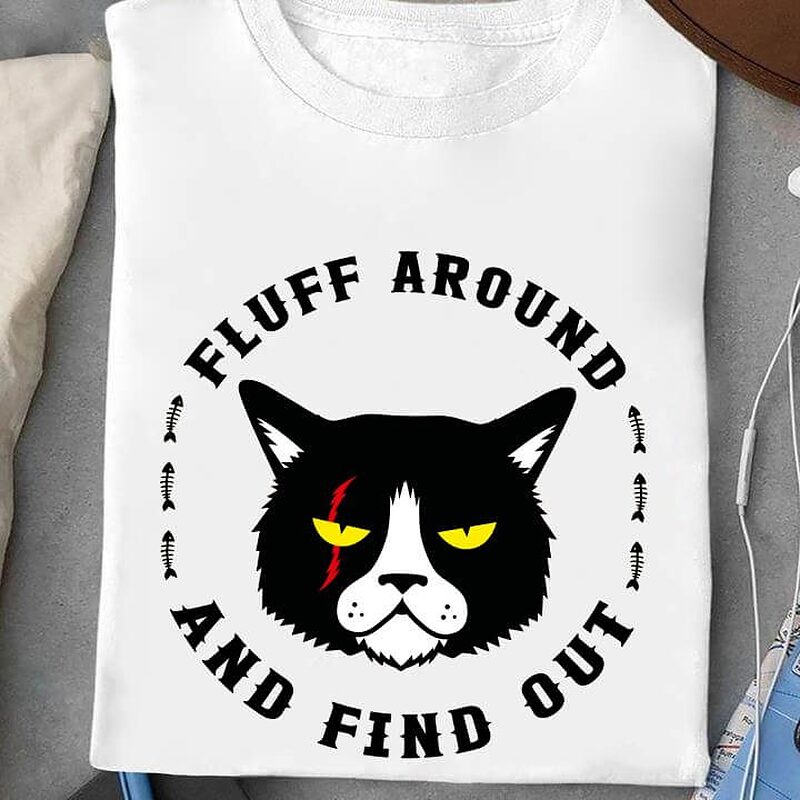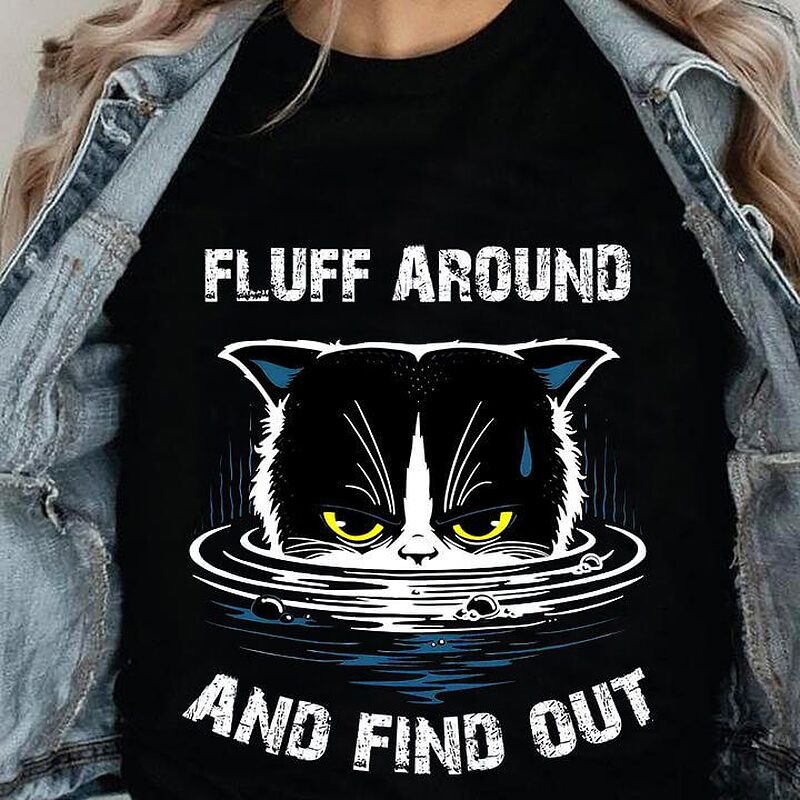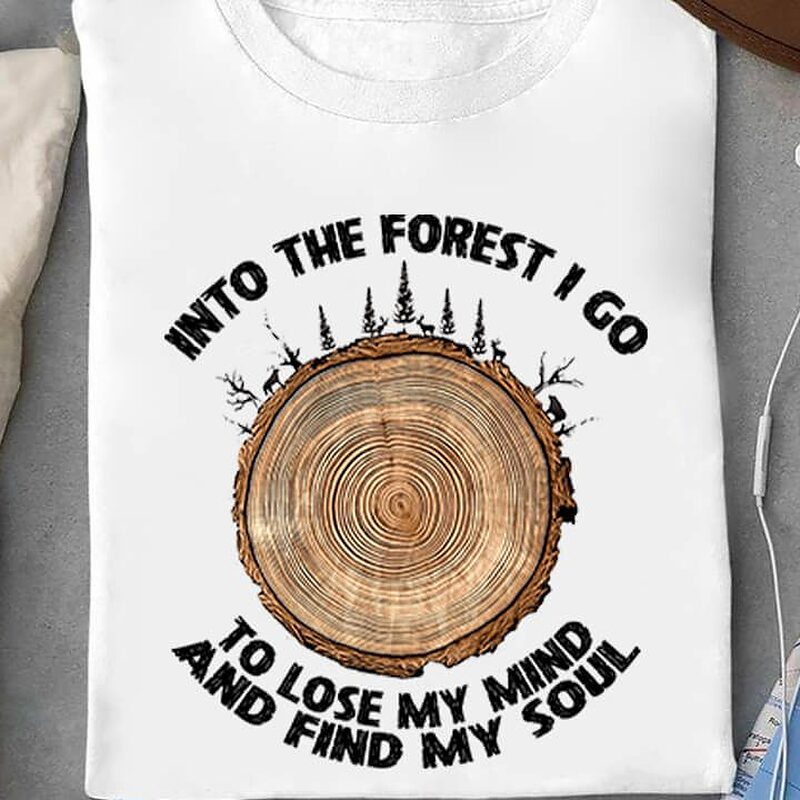
























Estimated delivery: Nov 6-12 How we estimate this datePlease allow 1–3 business days for the shop to prepare your order, then 9–11 business days in transit with Standard shipping.These dates are our best estimate, not a guarantee — peak seasons, carrier delays, customs checks, or severe weather can occasionally add time. Business days do not include weekends or US holidays.Carrier, customs, and weather delays are outside our control, but if they make your order late — more than 7 days after the latest estimated delivery date shown at checkout — Ettee Purchase Protection still covers you: you choose a full refund or a free replacement, with nothing to send back.You will receive tracking the moment your order ships. Running late? Message us first — we reply within 1 business day and resolve most issues within 3 business days.Read the full shipping timeline
Similar items
Sweet gift for my mom. She cried a little when she opened it. The colors are soft and lovely.

Second one I have ordered. Great quality, fits true to size, and my husband wears it every weekend.
Really cute and well made. Shipping took a couple of extra days, but it was worth the wait.
Got this for my husband for our anniversary and he has not stopped smiling. The print is crisp and the colors are exactly like the photos.
More from this shop
Visit shop$21.95
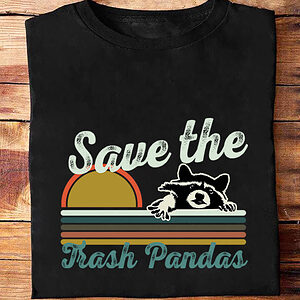
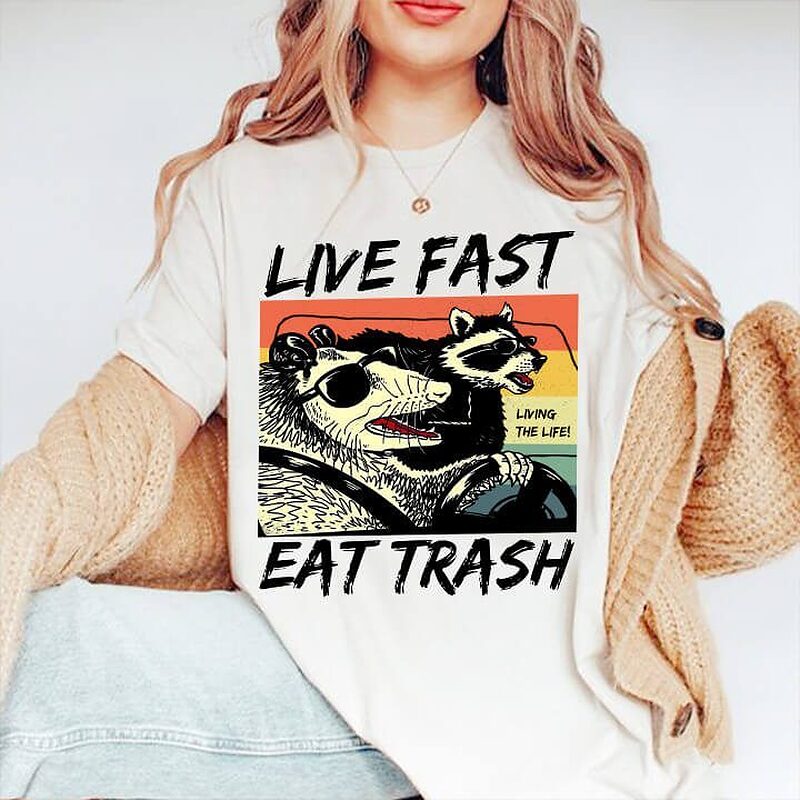
Save The Trash Pandas
 Arrives soon!Where this date comes fromYou order today, Sun Oct 25, before 2:00 pm ET.1–3 business days for the shop to prepare and pack it.It ships by Wed Oct 28.4 business days in the mail with Priority Shipping → arrives Fri Oct 30–Tue Nov 3.Most orders land closer to Fri Oct 30 — weekends and US holidays are not counted.This is an estimate, not a guarantee. Carriers and busy weeks can move it. If your order arrives more than 7 days after the latest estimated delivery date shown at checkout, Ettee Purchase Protection covers it: tell us within 30 days of delivery and choose a full refund or a free replacement — nothing to send back.Read the full shipping & returns policy Get it by
Oct 30–Nov 3
if you order today with Priority Shipping — tracked all the way to your door.
Arrives soon!Where this date comes fromYou order today, Sun Oct 25, before 2:00 pm ET.1–3 business days for the shop to prepare and pack it.It ships by Wed Oct 28.4 business days in the mail with Priority Shipping → arrives Fri Oct 30–Tue Nov 3.Most orders land closer to Fri Oct 30 — weekends and US holidays are not counted.This is an estimate, not a guarantee. Carriers and busy weeks can move it. If your order arrives more than 7 days after the latest estimated delivery date shown at checkout, Ettee Purchase Protection covers it: tell us within 30 days of delivery and choose a full refund or a free replacement — nothing to send back.Read the full shipping & returns policy Get it by
Oct 30–Nov 3
if you order today with Priority Shipping — tracked all the way to your door.
 Returns & exchanges accepted within 30 daysOur return policyTell us within 30 days of delivery if your item arrives damaged, faulty, or different from what you ordered: send a photo and we replace it or refund you in full, with nothing to send back. If your order arrives late — more than 7 days after the latest estimated delivery date shown at checkout — choose a full refund or a free replacement.Changed your mind? Return it unused within 30 days of delivery. Email [email protected] with your order number, then send it to our US return address; you pay return postage, and we refund the item within 1–2 business days of receiving it. EU and UK: you can cancel until 14 days after delivery, and we also refund the standard shipping.Please double-check your personalization details and shipping address before ordering; we cannot cover errors entered at checkout. Questions? Email us — we reply within 1 business day and resolve most issues within 3 business days, no dispute needed.Read the full return policy
Save up to 19% on more from Ideas In Ink Prints
Hurry, the first of these sales ends Oct 31. Add 2 or more items from this shop and the ones not on sale are 10% off in your cart.
Item details
img {
display: block;
margin-left: auto;
margin-right: auto;
}
Save The Trash Pandas

Table of Contents
- Introduction
- What are Trash Pandas?
- Why Save Trash Pandas?
- Threats to Trash Pandas
- Habitat Loss
- Pollution and Waste Management
- Noise Pollution and Light Pollution</lil
</ul
</ul
</ulIntroduction
The term “Trash Panda” is a colloquial name for the raccoon, a mammal native to North America. Raccoons are known for their distinctive black mask-like markings around their eyes and their ringed tails. While they may be considered pests by some due to their scavenging behavior, it is important to recognize the value of these creatures in our ecosystem.
In this article, we will explore the importance of saving trash pandas and the various threats they face in their natural habitats. We will also discuss the efforts being made to protect these animals and how individuals can contribute to their conservation.
What are Trash Pandas?
Trash pandas, or raccoons, belong to the Procyonidae family and are native to North America. They are medium-sized mammals with a body length of around 40-70 cm (16-28 inches) and a weight ranging from 3.5 to 9 kg (8-20 pounds). Their fur is thick and grayish-brown, providing insulation during colder months.
Raccoons have adapted well to urban environments due to their opportunistic feeding habits. They are omnivorous creatures that consume a wide variety of food, including fruits, nuts, insects, small mammals, birds’ eggs, and even human garbage. This scavenging behavior has earned them the nickname “trash pandas.”
Why Save Trash Pandas?
Trash pandas play an important role in maintaining ecological balance in their habitats. Here are some reasons why it is crucial to save these fascinating creatures:
- Biodiversity: Raccoons contribute to biodiversity by controlling populations of small mammals such as rodents. By keeping these populations in check, they help maintain a healthy ecosystem.
- Seed Dispersal: Raccoons aid in seed dispersal by consuming fruits and then excreting seeds at different locations. This process helps plants spread across diverse areas.
- Pollination: Some raccoon species play a role in pollination by transferring pollen from one flower to another while foraging for nectar.
- Indicator Species: The presence or absence of raccoons can indicate the overall health of an ecosystem. Their decline may signal environmental issues that need attention.
Threats to Trash Pandas
Raccoons face several threats in their natural habitats, which have led to population declines in certain areas. It is important to understand these threats and take necessary actions to protect them:
Habitat Loss
The destruction and fragmentation of natural habitats are major concerns for raccoon populations. Urbanization, deforestation, and land development projects have resulted in the loss of suitable habitats for these animals. As their habitat shrinks, raccoons are forced into smaller areas with limited resources.
Pollution and Waste Management
Pollution, particularly water pollution, poses a significant threat to trash pandas. Chemical pollutants from industrial activities and improper waste management practices can contaminate water sources that raccoons rely on for survival. This contamination affects not only the raccoons but also other wildlife species in the area.
- Noise Pollution: Urban environments with high levels of noise pollution can disrupt the behavior patterns of raccoons, affecting their ability to communicate and find food.
- Light Pollution: Excessive artificial lighting at night can interfere with the natural nocturnal behavior of raccoons. It may disrupt their sleep patterns and make them more vulnerable to predators.
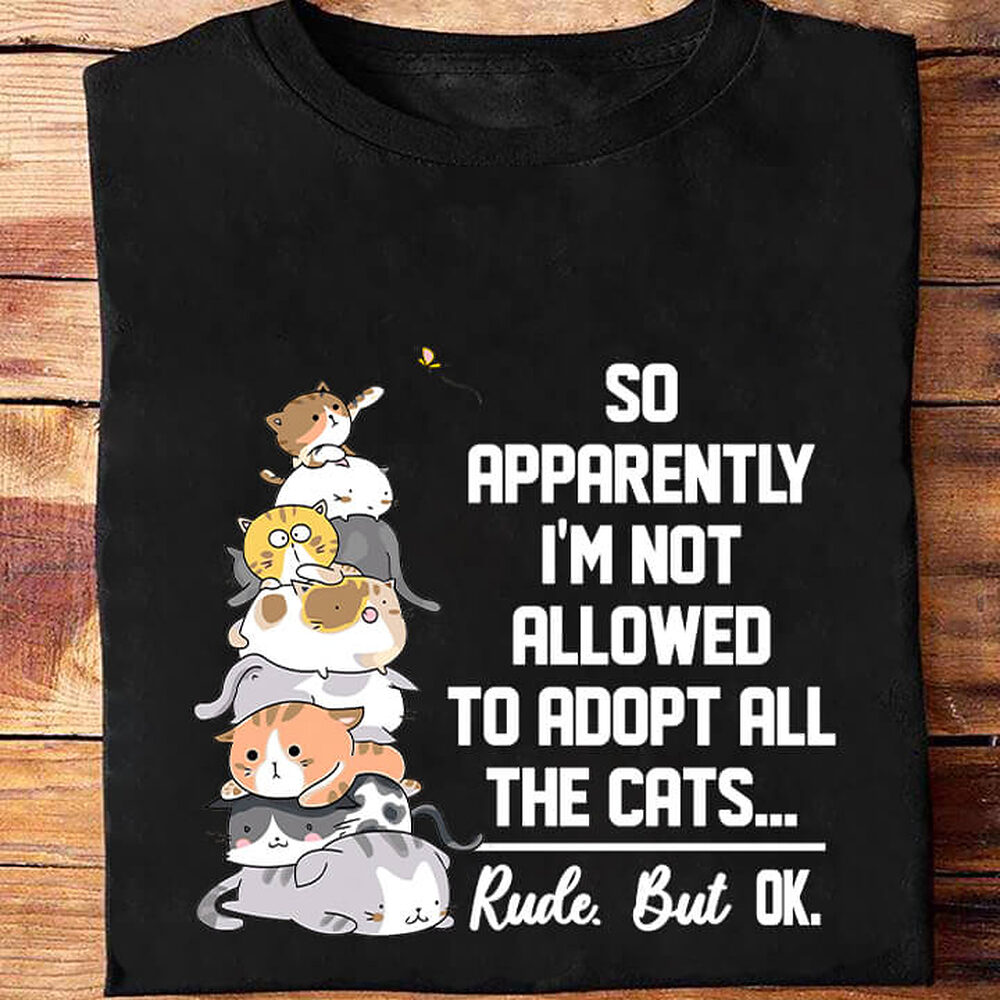
While raccoons are adaptable creatures, it is essential to address these threats and create a sustainable environment for their survival.
Efforts to Save Trash Pandas
Various organizations and individuals are working towards the conservation of trash pandas. These efforts include:
- Habitat Conservation: Initiatives are being taken to protect and restore natural habitats that raccoons depend on. This involves preserving forests, creating wildlife corridors, and implementing sustainable land-use practices.
- Pollution Control: Steps are being taken to reduce pollution levels in water bodies through stricter regulations on industrial waste disposal and promoting proper waste management practices.
- Educational Programs: Awareness campaigns and educational programs aim to educate the public about the importance of raccoon conservation. These initiatives help dispel misconceptions about raccoons and promote coexistence with these animals.
To support these efforts, individuals can contribute in various ways:
- Adopt All The Cats!: By adopting cats from shelters or supporting animal rescue organizations, you can indirectly contribute to wildlife conservation efforts. Every adoption helps free up resources for other animals in need.
- Volunteer: Get involved with local wildlife rehabilitation centers or environmental organizations that work towards protecting raccoons and their habitats. Volunteering your time can make a significant difference.
- Create Wildlife-Friendly Spaces: Make your backyard or garden more inviting for wildlife by providing food sources like bird feeders or planting native plants that attract raccoons and other animals.
Summary
Trash pandas, or raccoons, are fascinating creatures that play a vital role in maintaining ecological balance. They contribute to biodiversity, aid in seed dispersal and pollination, and serve as indicator species for ecosystem health. However, they face threats such as habitat loss, pollution, and improper waste management.
Efforts are being made to protect trash pandas through habitat conservation, pollution control measures, and educational programs. Individuals can also contribute by adopting cats from shelters or supporting animal rescue organizations like Ettee, volunteering their time with wildlife rehabilitation centers or environmental organizations, and creating wildlife-friendly spaces.
By working together to save the trash pandas, we can ensure a sustainable future for these remarkable creatures and the ecosystems they inhabit.
Shipping and return policies
FAQs
How does personalization work?
If this item can be personalized, type the name, date, or message in the personalization box on this page, right above the Add to Cart button. The shop adds exactly what you enter, so please double-check your spelling before ordering. See how personalization works
When will my order arrive?
Your order ships from the shop’s own warehouse or workshop on the timeline shown in the shipping details above. Ordering for a holiday or a special date? Check our seasonal deadlines so it lands on time. View shipping deadlines
Can I return or exchange my item?
If it arrives damaged, faulty, or different from what you ordered, yes — tell us within 30 days of delivery and we will replace it or refund you in full, at no cost to you and with nothing to send back. If it arrives late — more than 7 days after the latest estimated delivery date shown at checkout — choose a full refund or a free replacement. Changed your mind? Return it unused within 30 days of delivery: email us first with your order number, then send it to our US return address (on the returns page); you pay return postage, and we refund the item within 1–2 business days of receiving it. Read the full return policy
Is my purchase protected?
Always. Every order is backed by Ettee Purchase Protection — if something arrives damaged, late (more than 7 days after the latest estimated delivery date shown at checkout), or not as described, tell us within 30 days of delivery and choose a full refund or a free replacement. Learn about Purchase Protection
Can I send this as a gift?
Absolutely — we love gift orders. Ship straight to your recipient and add a gift note at checkout; we will take care of the rest. Gift questions, answered
How do I choose the right size or option?
All available options are listed above. If you are between sizes, we recommend sizing up.
Who sells this item?
The shop named on this page—an independent retail business that ships from its own warehouse or workshop, reviewed and verified by Ettee. Meet the shops